
Steve Horne reports:
I was in contact with the organisers of the Hampton Court Concours of Elegance last Autumn and again this Spring, principally to arrange AOC participation in 2019 and 2020 as the celebratory 100 years of Alvis.
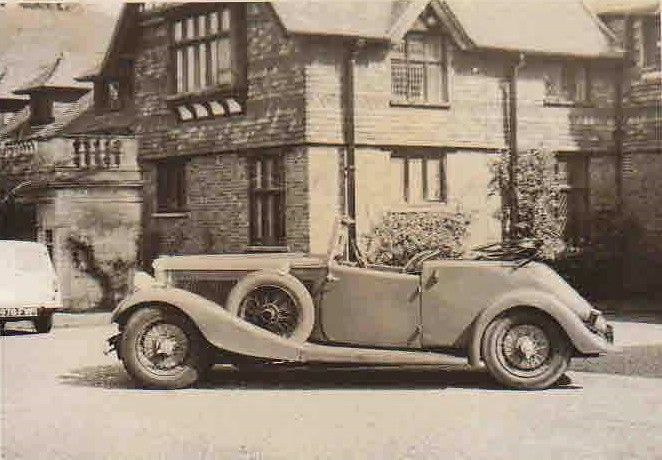
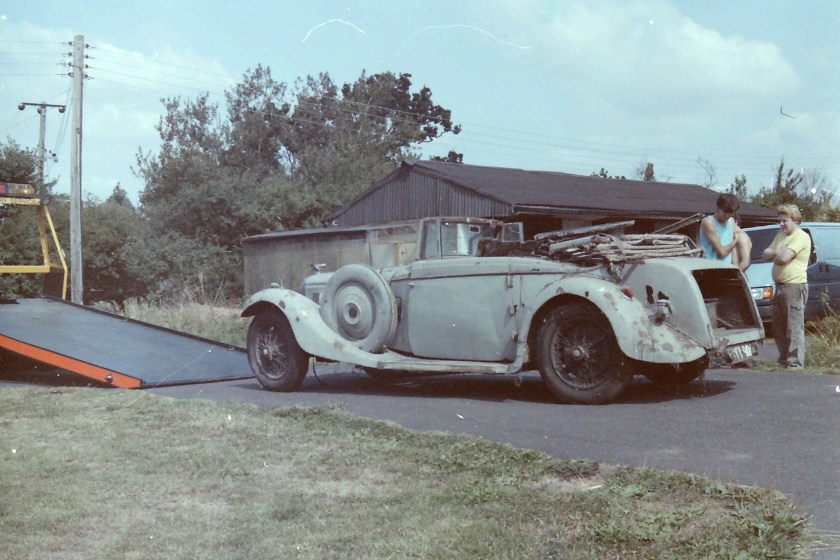
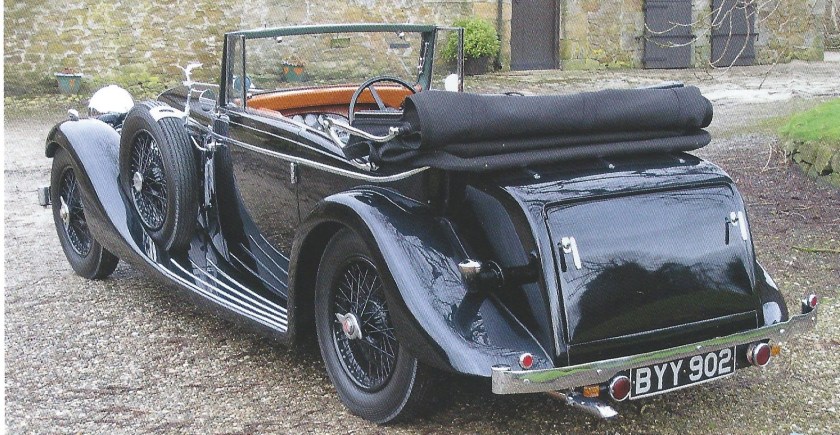
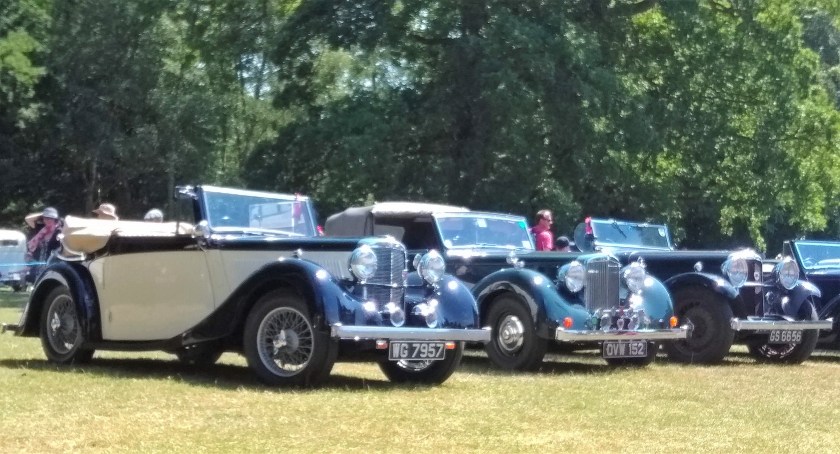
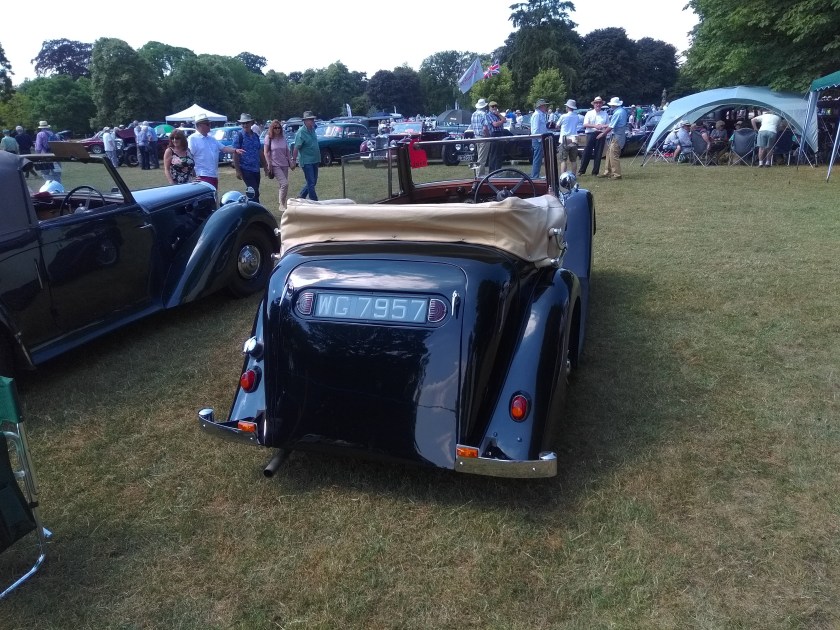
Being reminded that we could nominate a candidate for the Inter-Club Concours on Friday 31st August 2018, we took up the challenge and promised we would provide an entry by July. Some firm requests by the South East Section did not easily bring up a short-list, but George Butlin was persuaded that his 1938 Alvis Speed 25 Drophead – coupe by Charlesworth, substantially modified during its construction by Hoopers, definitely needed an airing and a good polish.
George was left to his frenetic preparations and to finalise the details of his entry ‘By invitation’, direct with the organising committee. Thankfully, he had prepared a most suitable resume of the car’s history with some fine references to the Hooper connection, its wartime exploits and political canvassing in the post-war years prior to George’s ownership and of course there is no-one better able to describe with passion the intricacies of the Speed 25 model and his own car in particular.
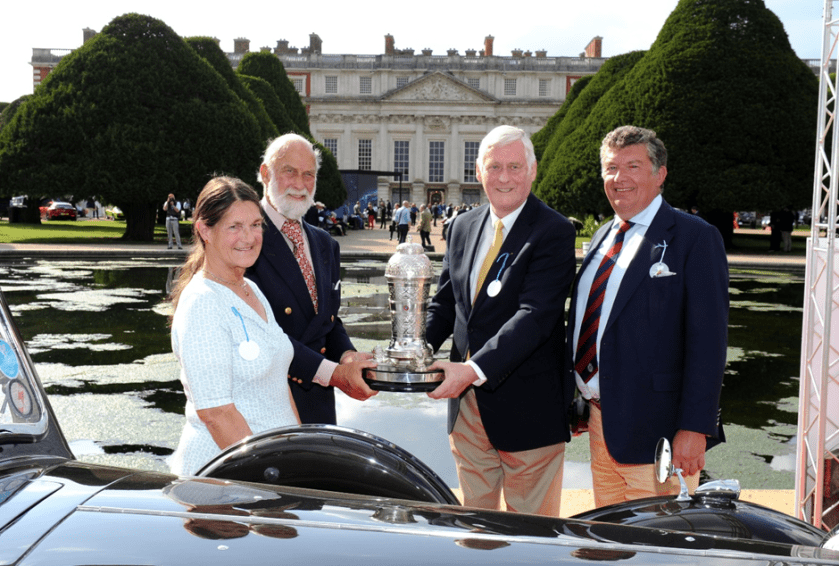
As an Alvis Owner Club nominated entry, George entered alongside a huge array of immaculate and very distinguished marques with equally important historical significance, so it says much for the quality of the restoration and his constant upkeep, that the panel of selected Royal Automobile Club judges decided that his Alvis Speed 25 should be the RAC Club Trophy winner.
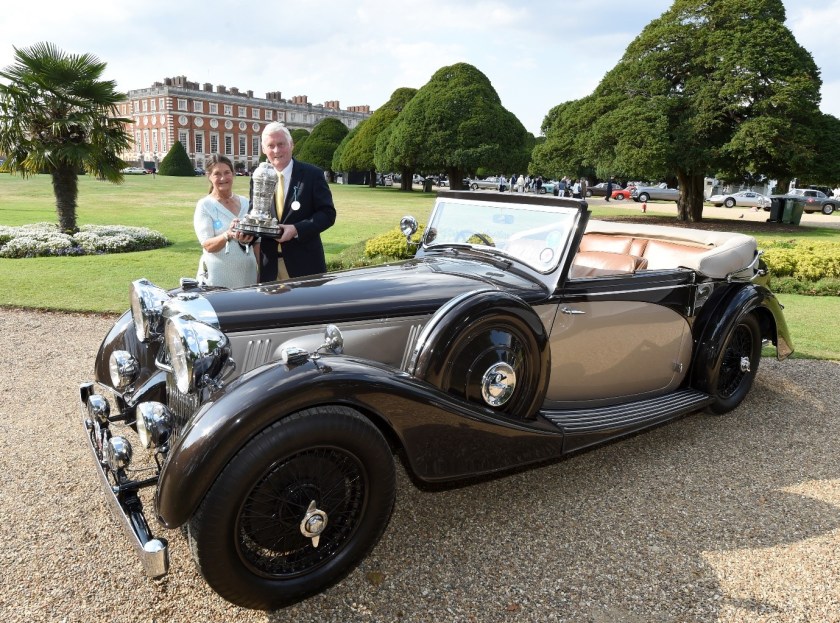 This huge accolade will be followed by presentation of the car in the Rotunda at The RAC Club in Pall Mall during the coming weeks, where George and Annie will have further opportunities to represent the Alvis marque, and the Speed Models amongst other exhibits, and no doubt the 1929 Mercedes Benz S-Type , ex-Earl Howe, which won the distinguished Pegasus trophy in the 60 limited Private Entry class, which will be the highlights on show to the motoring press.

A rare Alvis never registered with the AOC had success at Pebble Beach this year.

First delivered to the Maharajah of Mayurbhanj it has remained in India and a photo of its current state can be found at number 22 on Pebble Beach 2018
A date for your 2019 diary is Friday 14th June when the Bowcliffe British Car Concours takes place, featuring Alvis and Bentley.
This is the start of the AOC International Weekend based at York.
On 15th June the Trust will hold an Open Day at our Hycilla office. Invitations and booking forms will follow later in the year.
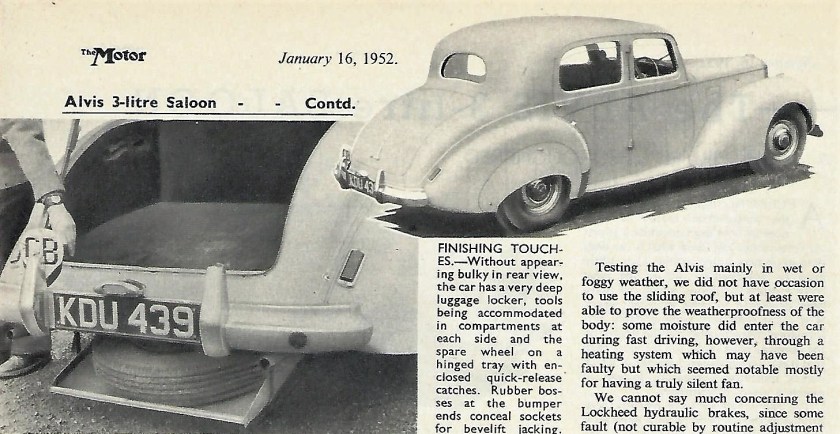
Grand Basel was not a Concours but featured the last Alvis made, click Graber TF21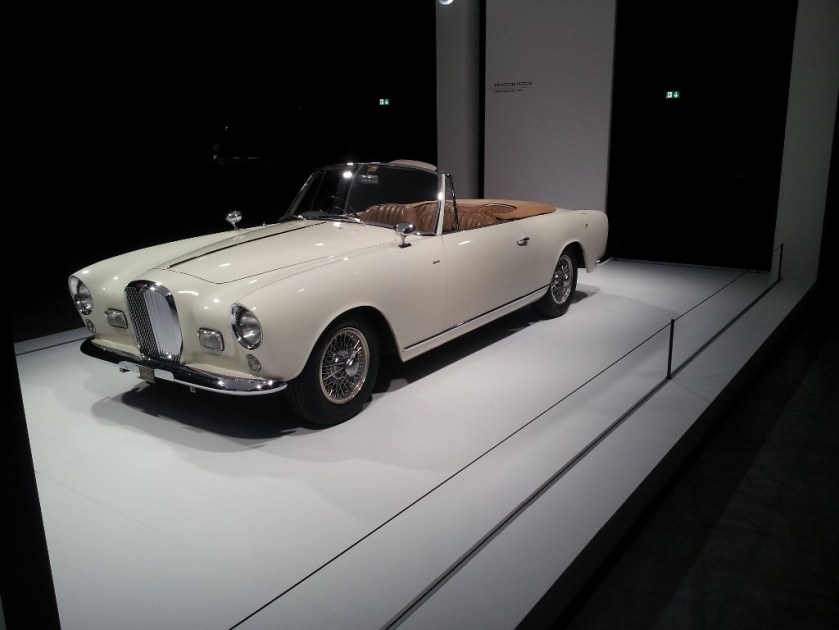
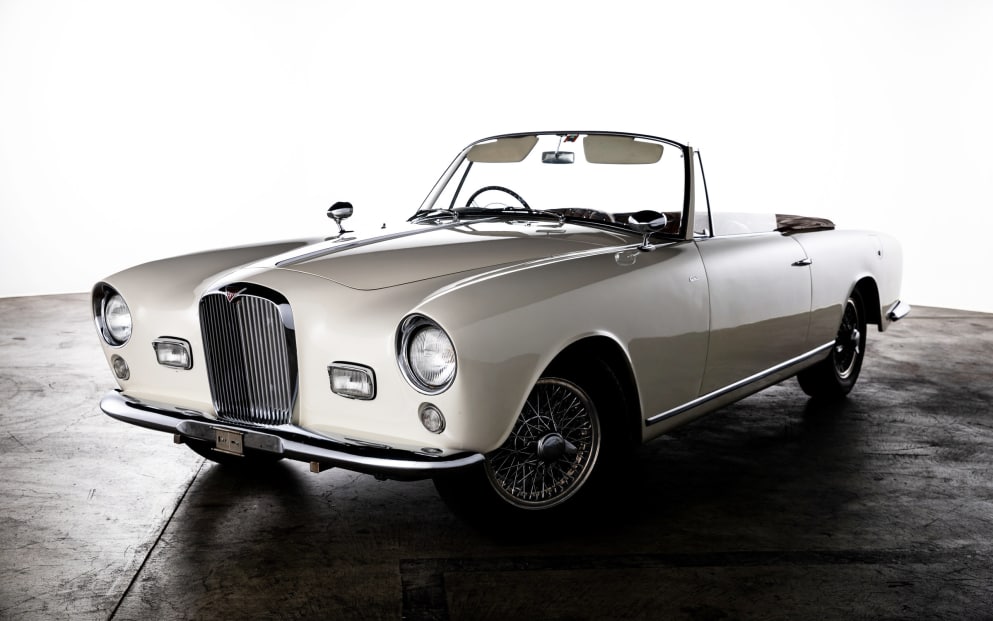

 see
see 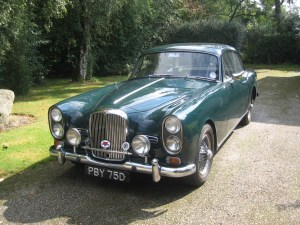



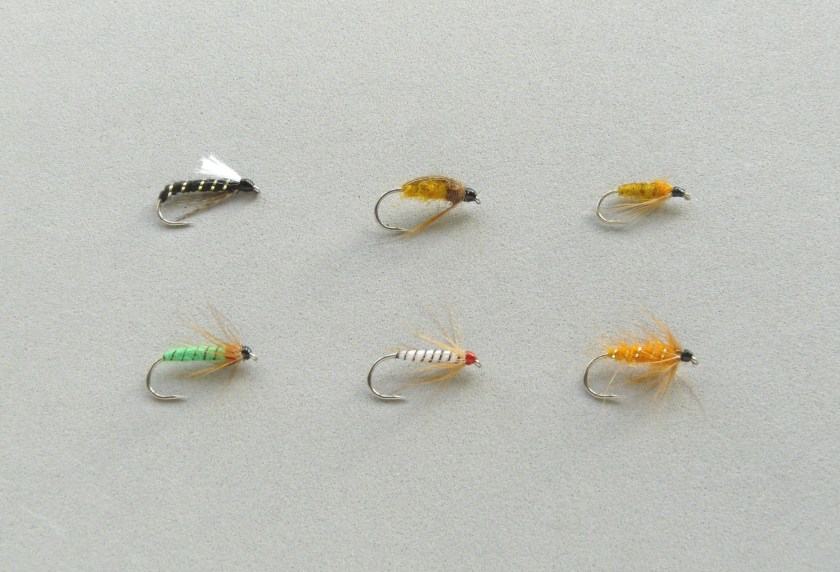 [Photo: Adrian Freer] Bell was not secretive about his flies or the techniques he was developing but, being the reticent person he was, he did not wish to receive any acclaim that might follow should his achievements become widely known. There are many accounts of how he was prepared to pass on the benefits of his experience to others. All he wanted was to be allowed to fish in solitude, peace and quiet. Who could blame him for that?











 Alvis Archive