
Hermann Graber was born in Wichtrach on April 15, 1904. He was the only son of the Wagner master Ernst Graber. Ernst primarily built and repaired horse-drawn carts and agricultural vehicles in his workshop. Many people hesitated to accept the modern automobile. It was largely seen as a big toy for the rich and foreign tourists.
When Hermann was 16, he began his Wagner apprenticeship in his parents’ business and graduated in 1923 with excellent grades. Intended as a partner and later successor to his father, he went on the payroll. He worked in various Swiss companies, followed by a stay in a body shop in Paris, which was then the center of the automobile and its bodies. Graber was immediately fascinated by the already very sporty and elegant cars as well as by the modern shapes.
What he had seen and experienced in Paris convinced him that the future belonged not to the horse-drawn vehicle but to the automobile.
In 1926 he was able to move into a new building in Nieder-Wichtrach and started work immediately. On May 10, 1926, he wrote the first invoice under his own name for a Fiat 505 Auto-Camion.
At that time there were 25,697 automobiles registered in Switzerland. In various cantons, the Sunday driving ban was still in force. In Graubunden, private automobile traffic was only possible from 1926. The permitted maximum speeds were still very low in many places. Drivers were warned of bus traps in the country in the specialist newspapers. However, these adversities did not prevent the young Hermann Graber from believing in the development and future of the automobile.
From 1926 to 1969, Hermann Graber and his employees skillfully crafted a total of around 800 special bodies, most of them on a car chassis. Only a few commercial and military vehicles were built. (Words translated from a 2014 article by Urs Ramseier and Ferdi Hediger of the Swiss Car Register)
July 2024 – After a twelve year restoration Peter Aeschlimann’s TC21/100 coupe is back on the road. The story in pictures, click on any photo to start the gallery.


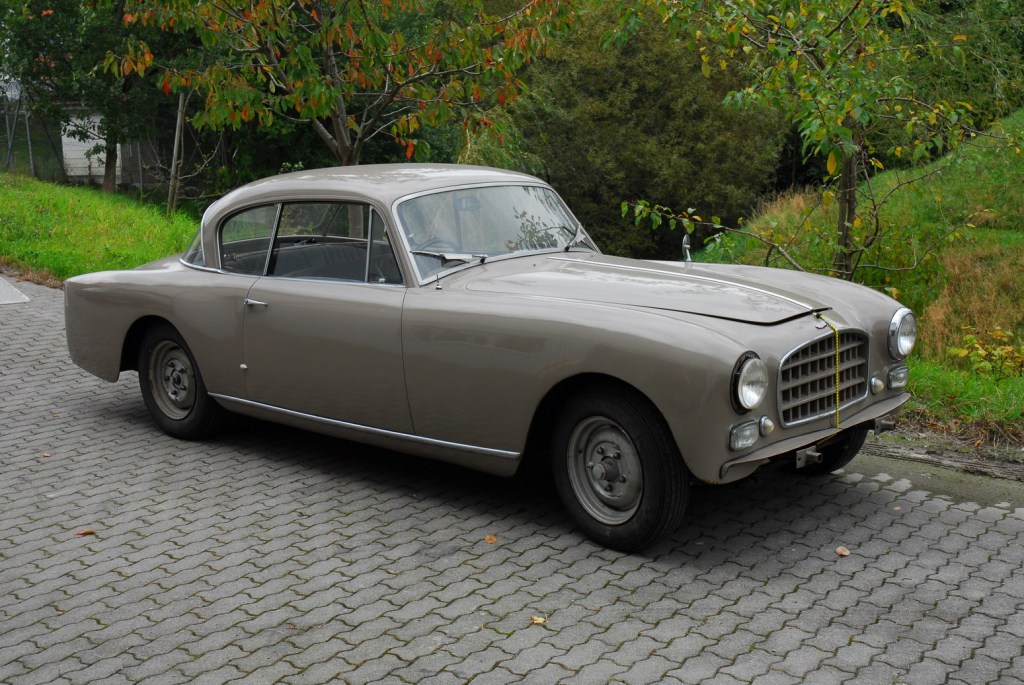

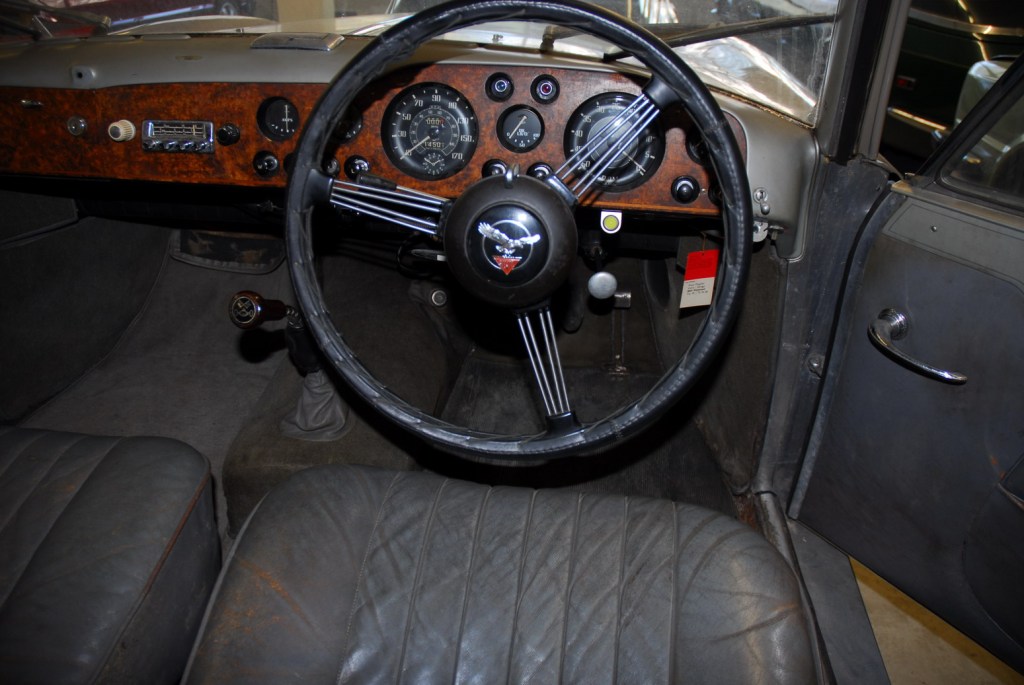

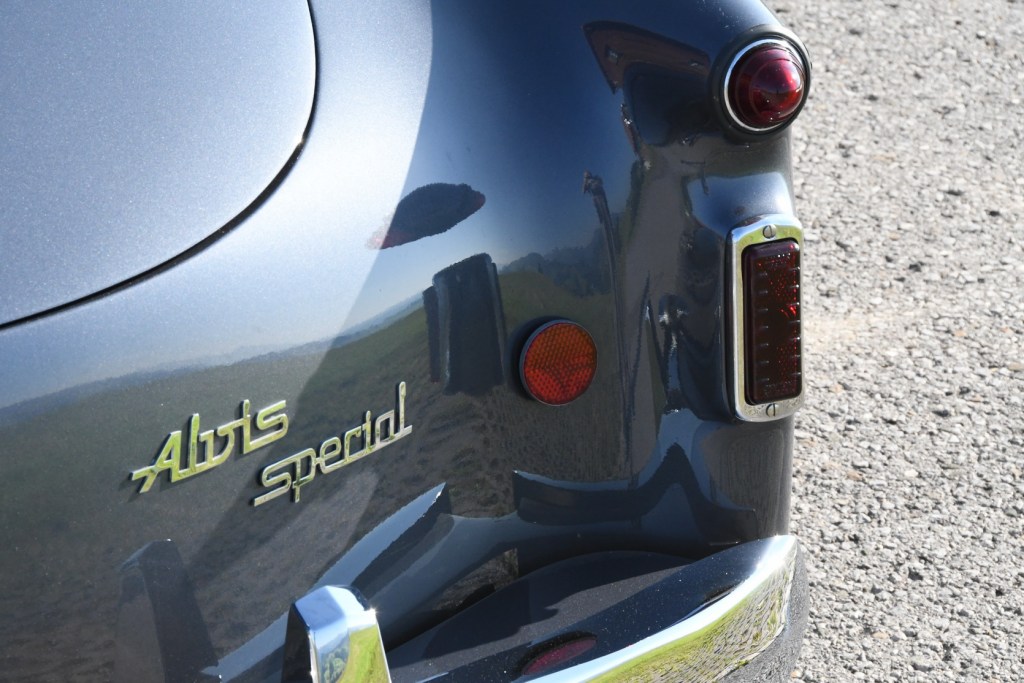
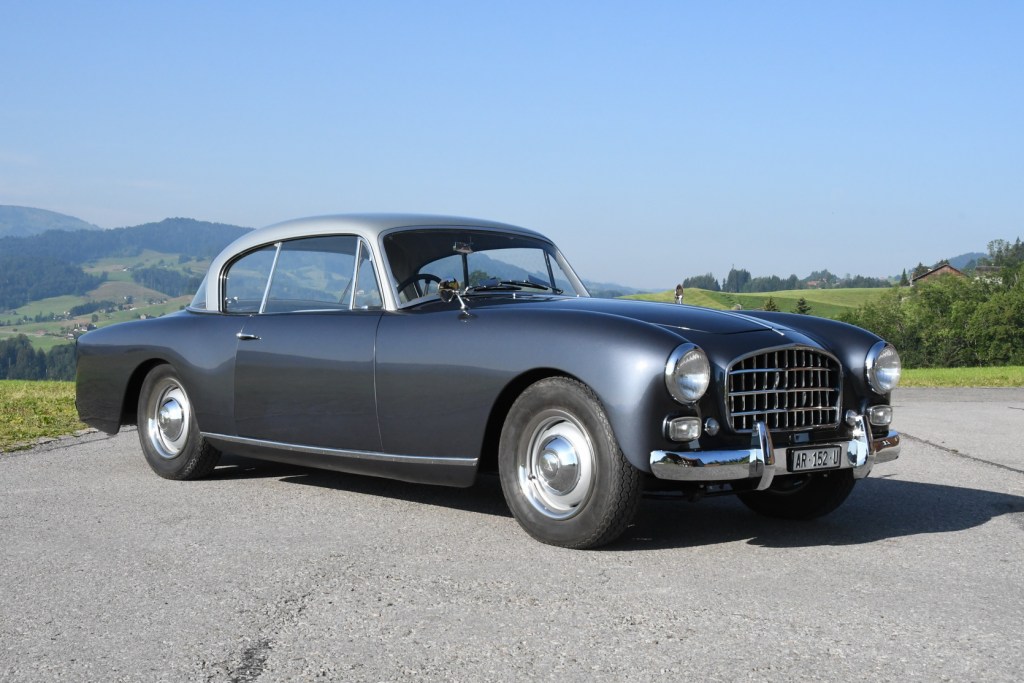


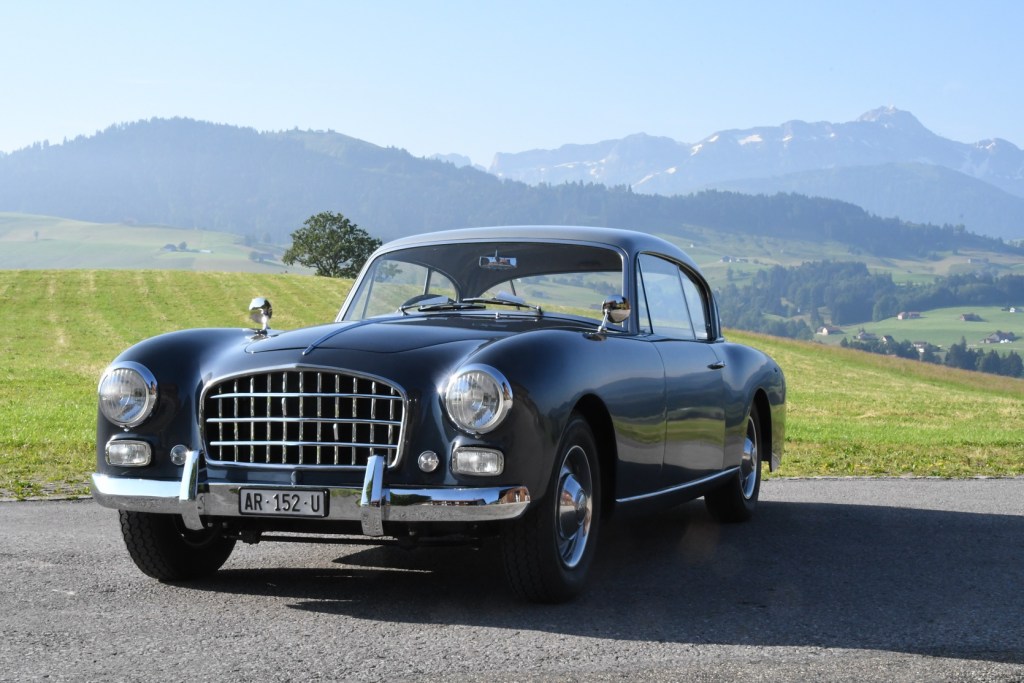

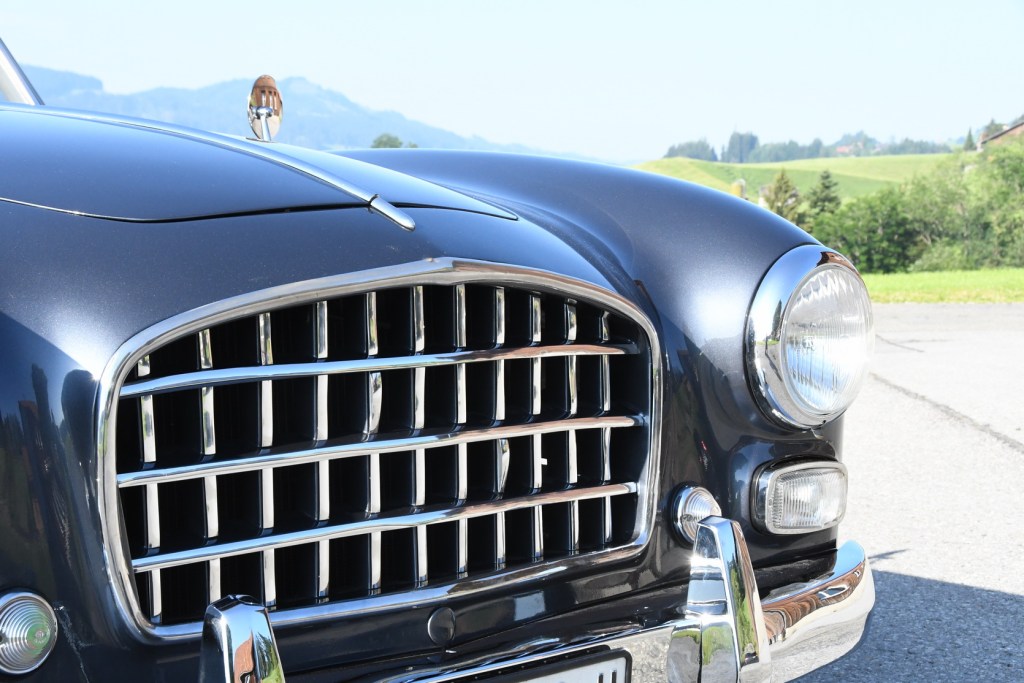
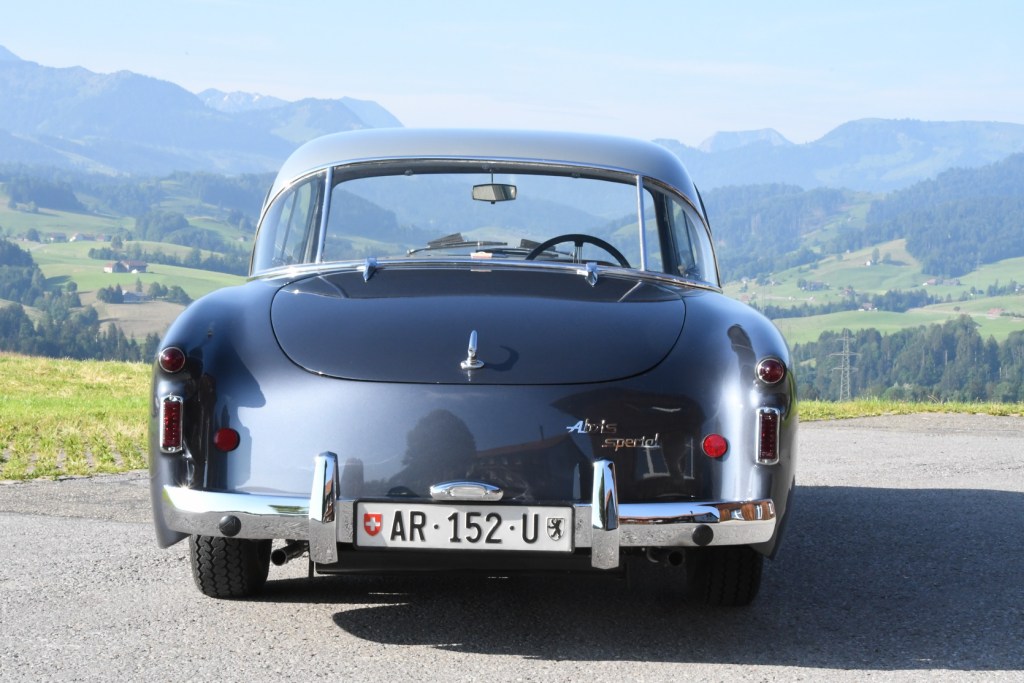
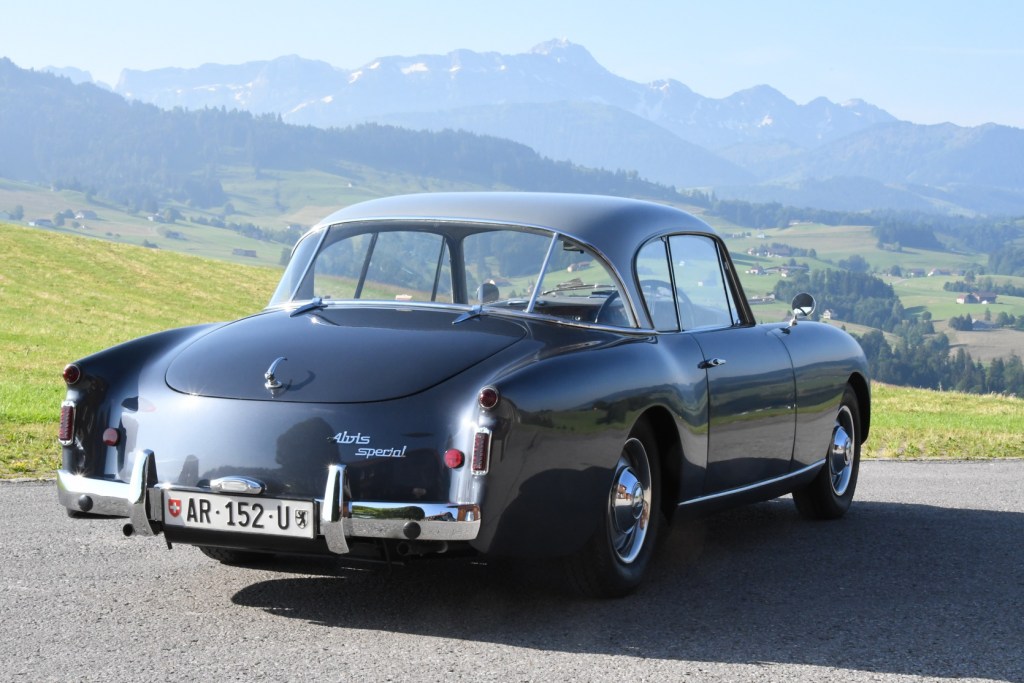
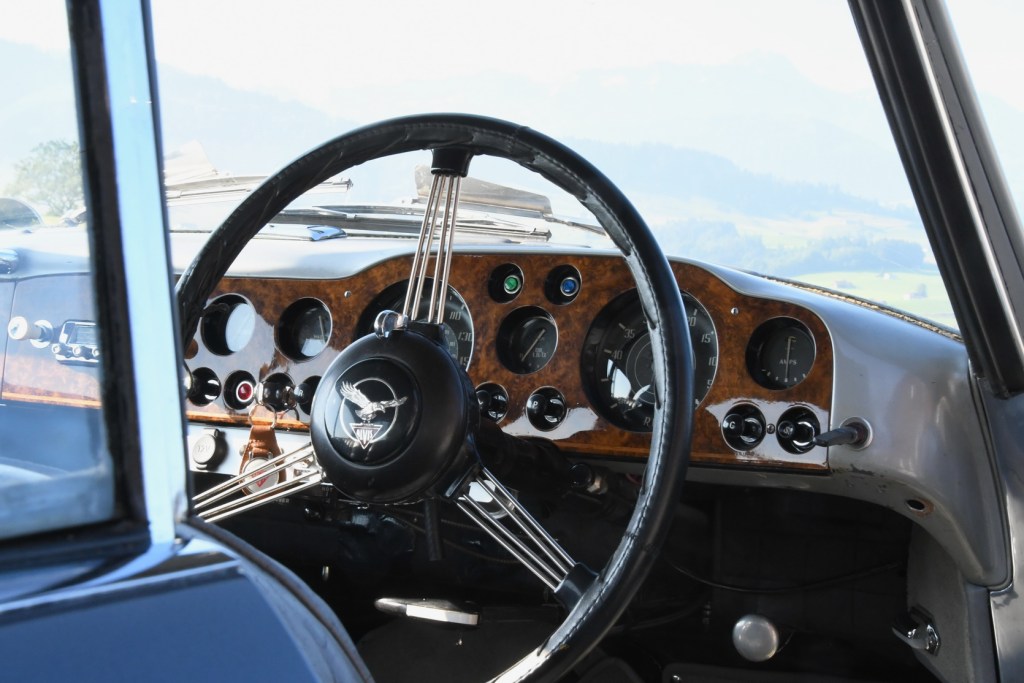

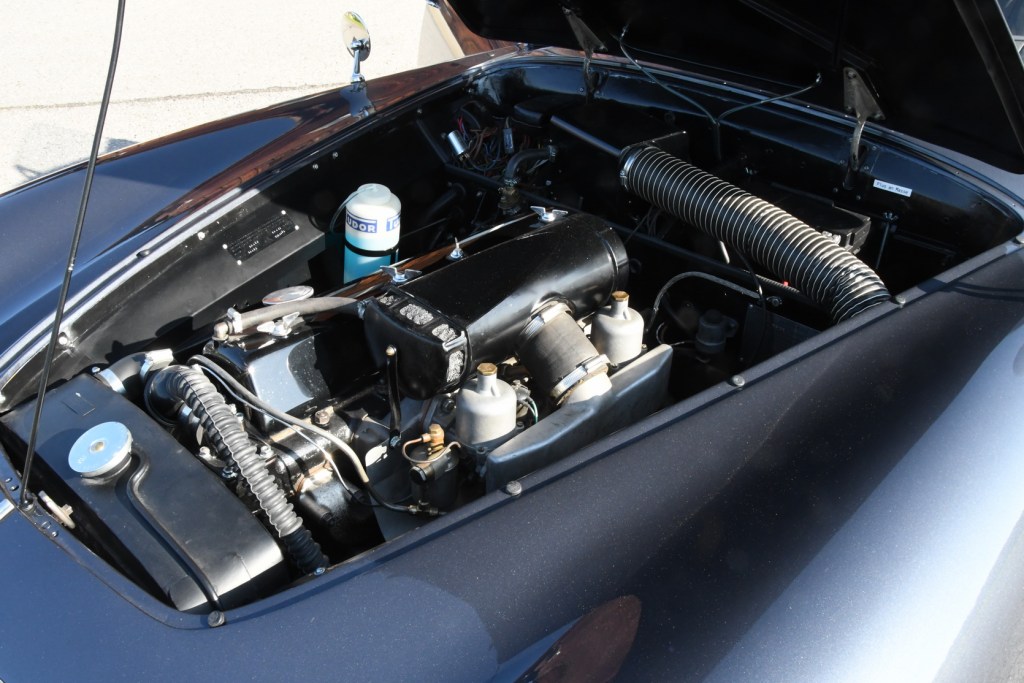


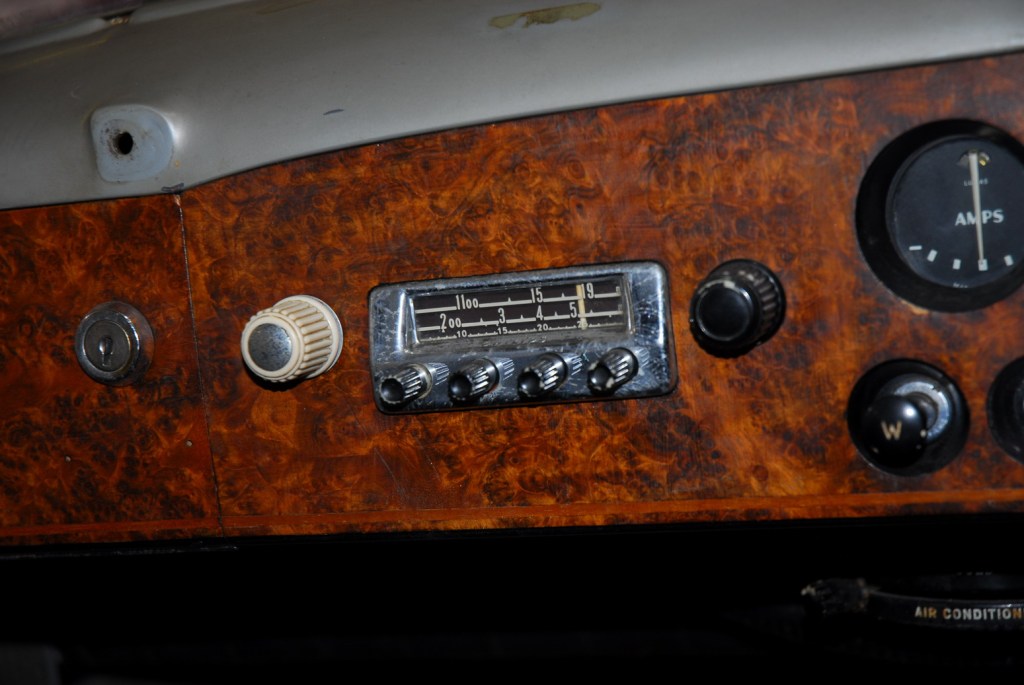
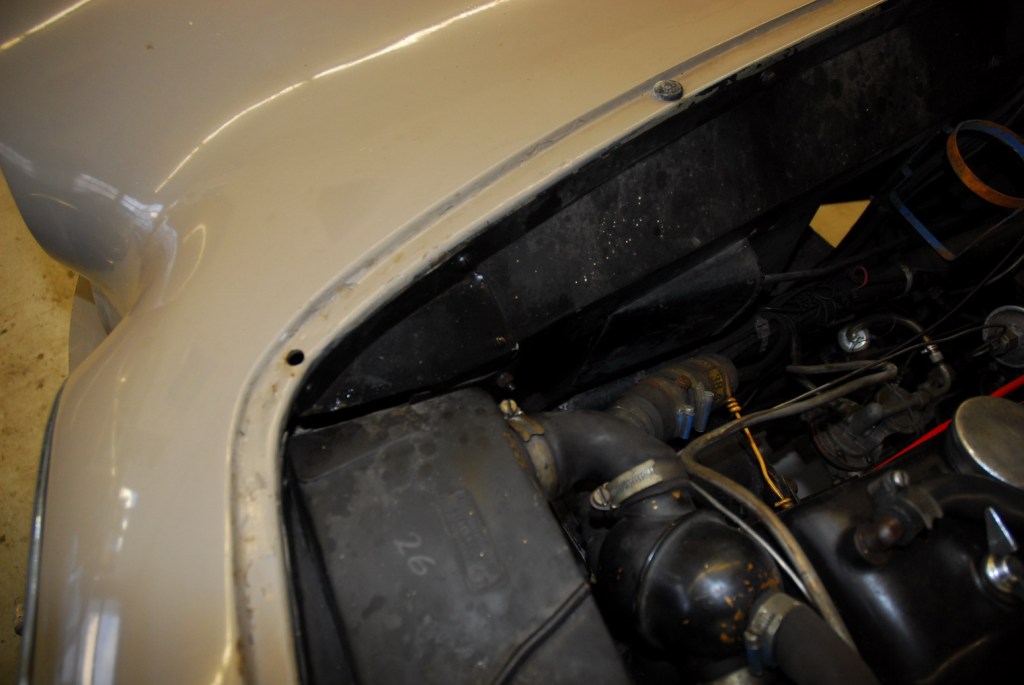



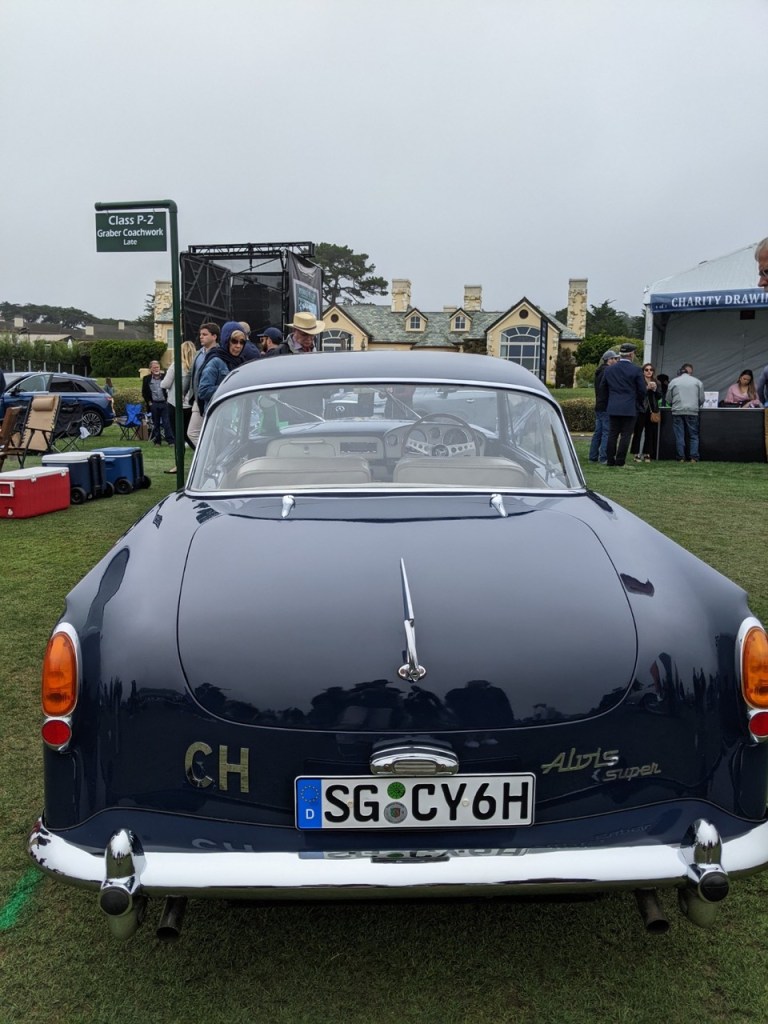
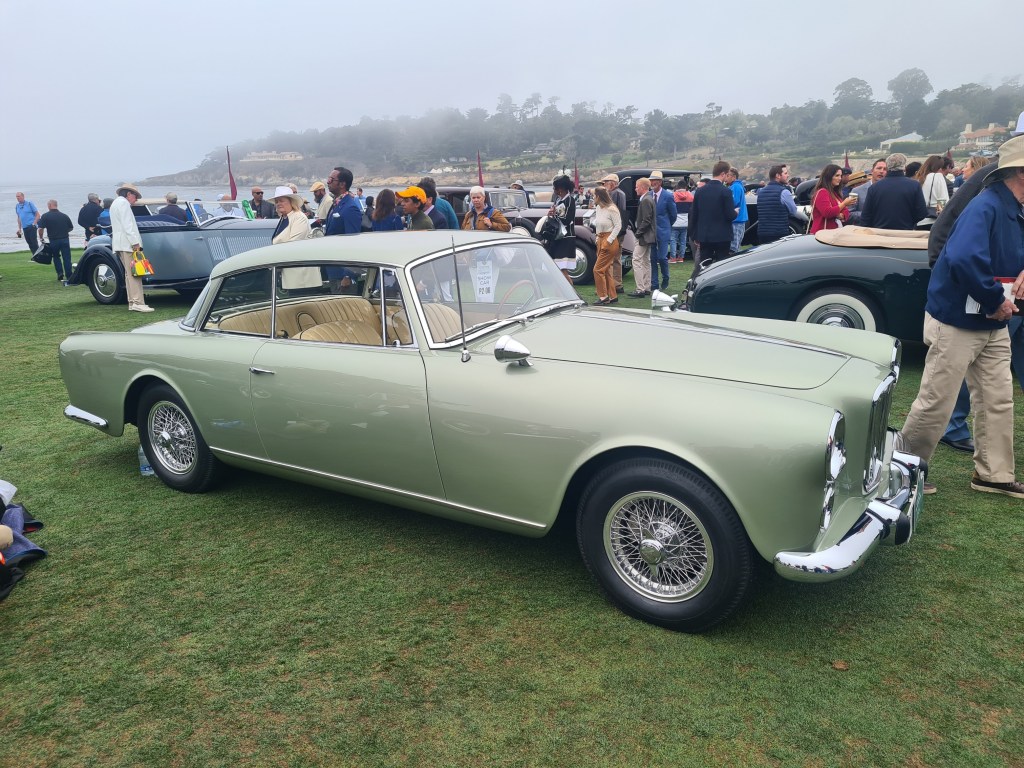
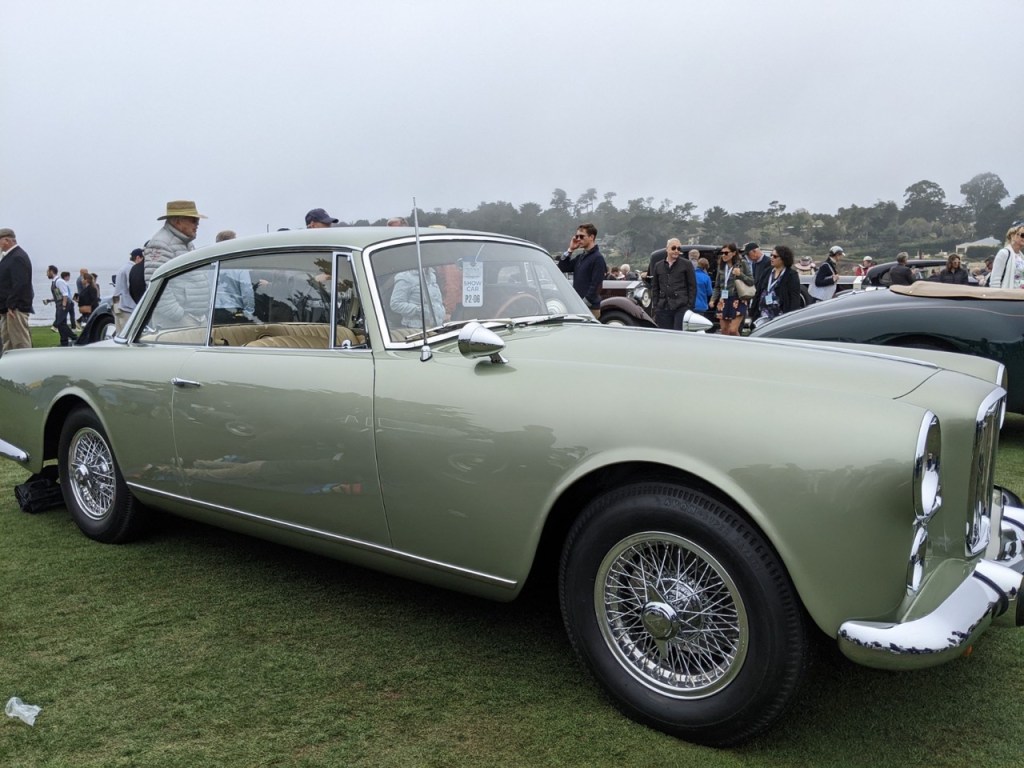
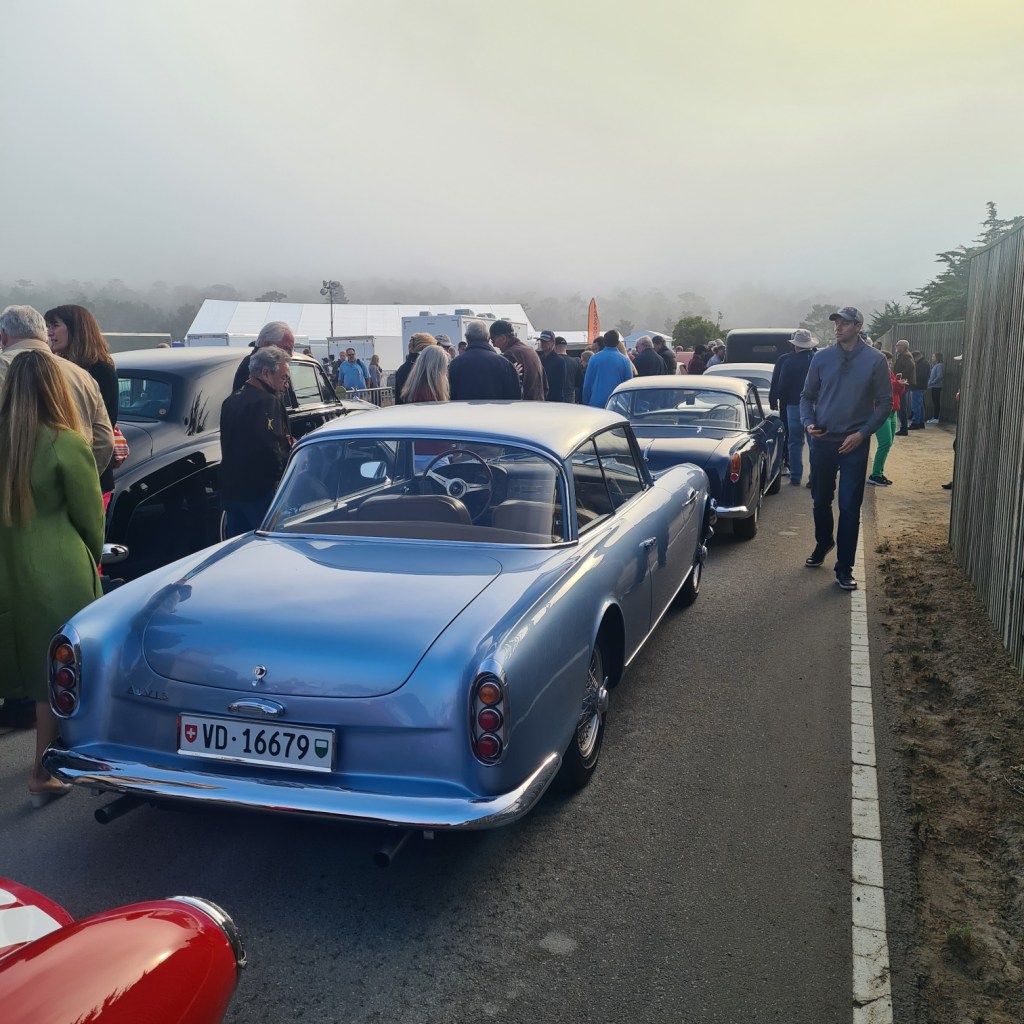
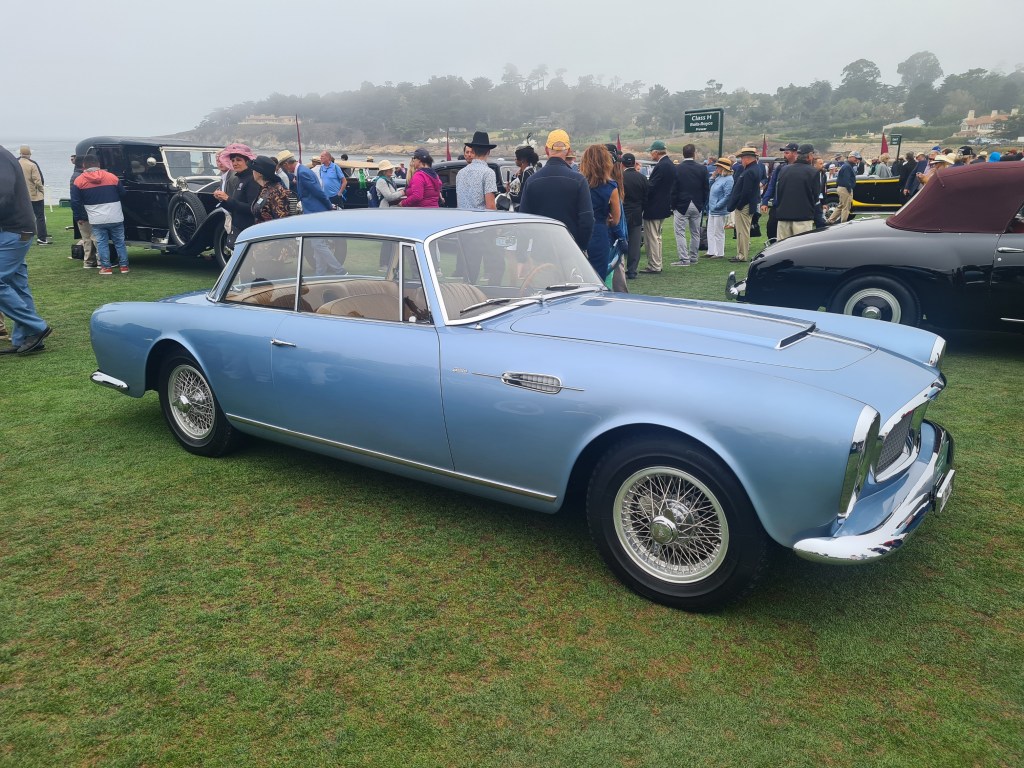
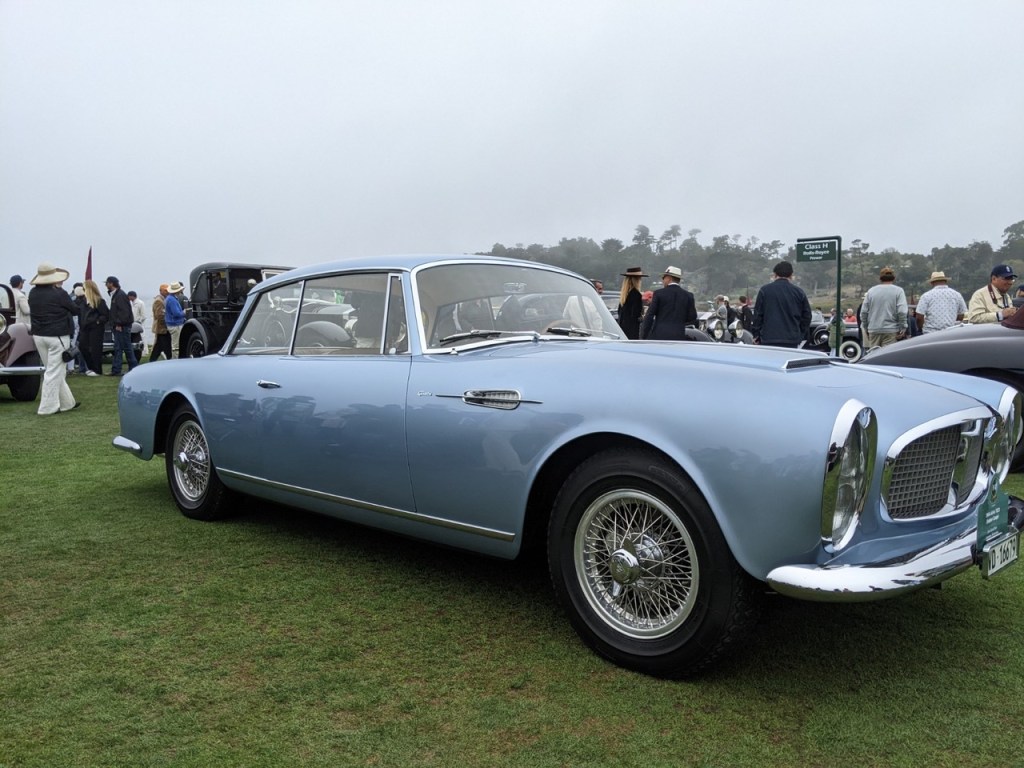
August 2022 – Grabers at Pebble Beach, California. Congratulations to Ken Swanstrom for gaining second in class for his TD21 coupe special. Photos via Christoph Grohe and Leonard Spelt.


A long video of this event is here Pebble Beach – Hagerty with the Grabers at 1h:59.
Researching the detailed history of his car (see July 2020 article below) was part of the preparation and qualification for this prestigious event.










July 2020
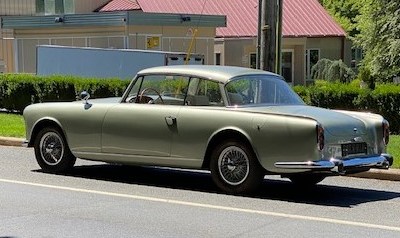
Graber Alvis rarely change hands but when they do, their past life has usually been recorded by us and the Swiss Car Register. So when Ken Swanstrom wrote in May to say he had bought TD21 26605 from Germany we were able to give some background on the previous owners, but not a lot of detail. The internet was able to fill in some gaps with clues from Christoph Grohe who had bought the car in Switzerland and sold it to the last owner in Germany in 1992.
Enquiries to the Graber Friends and Ralph Schwarz in particular drew somewhat of a blank as the first owner never participated in any events nor offered any data. However, an internet search revealed rather more.

Christoph Grohe confirmed he bought the car from Iva Gredinger and again an internet search enabled Ken to make contact with her, now 91, and was pleased to hear about the car. Not only that, but she revealed past ownership of another Graber which hopefully will be identified.
All that remains now is for the Swiss Car Register to provide any service documention from earlier years.
*
January 2020
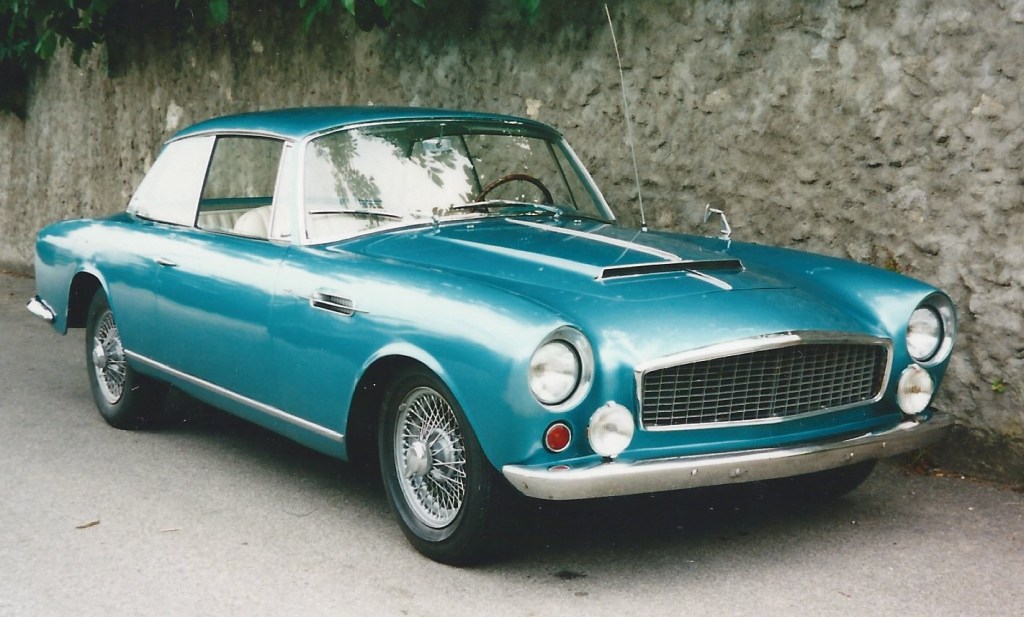
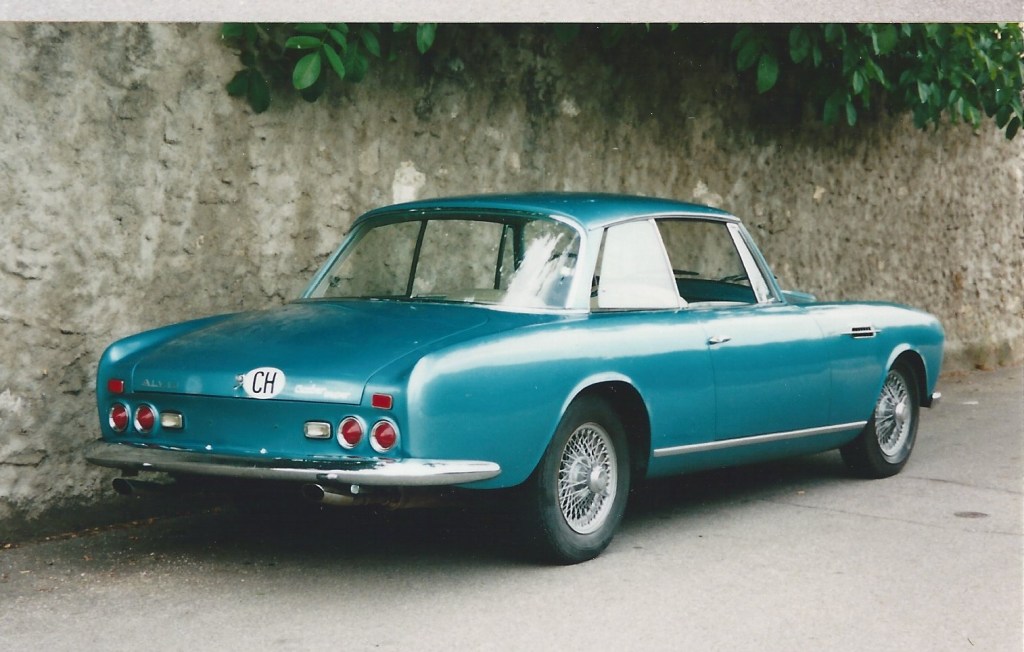
Almost fifty years since the passing of Hermann Graber, a Continuation TF21 Model is in course of construction by the Alvis Car Company. The following gallery is of the final six TF21 Alvis built, including the very last, by Graber:
Click on a photo to start the gallery:


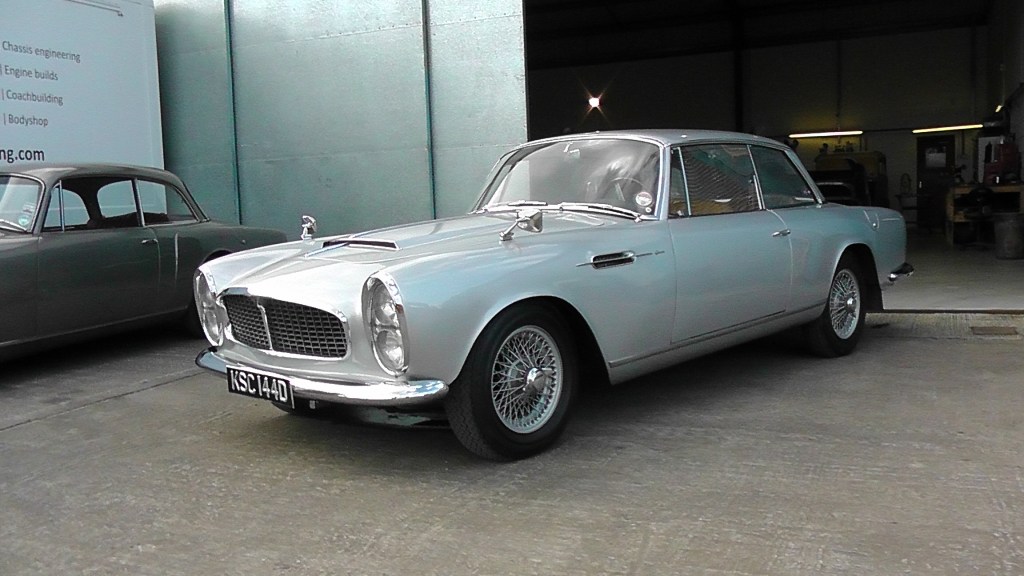

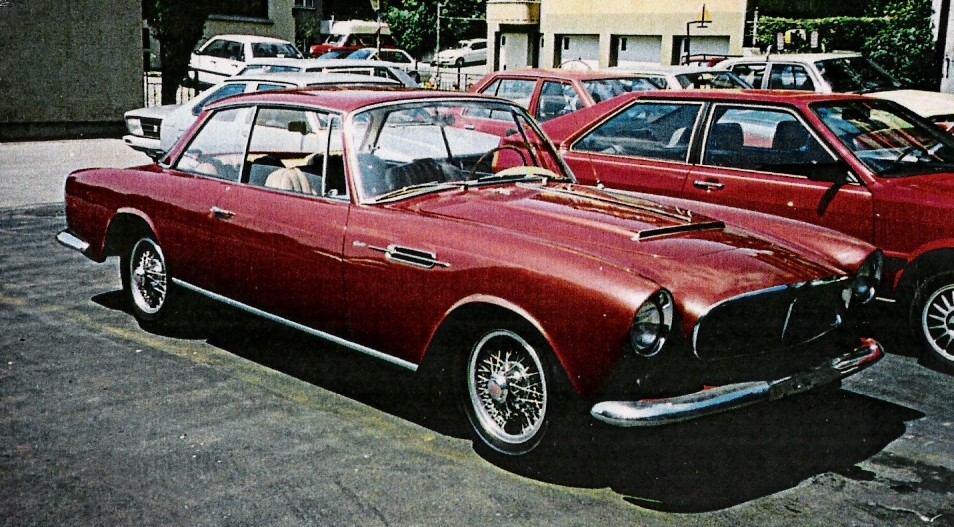
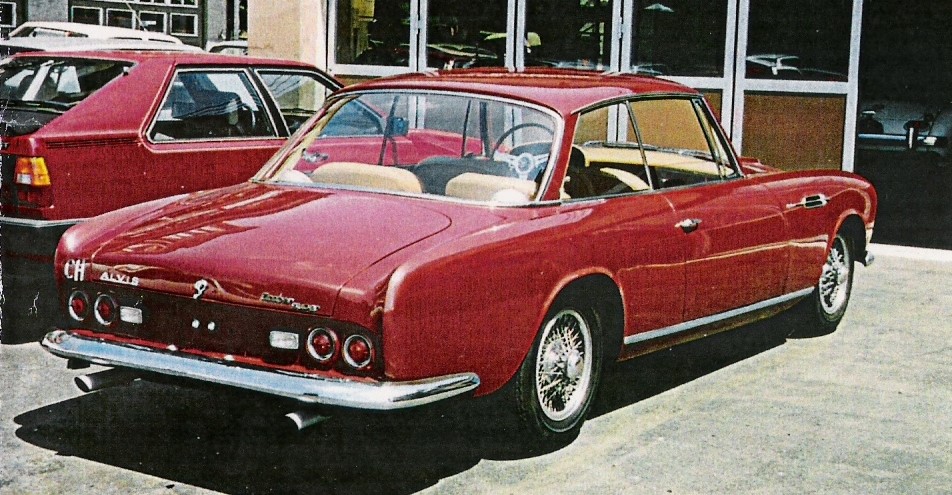


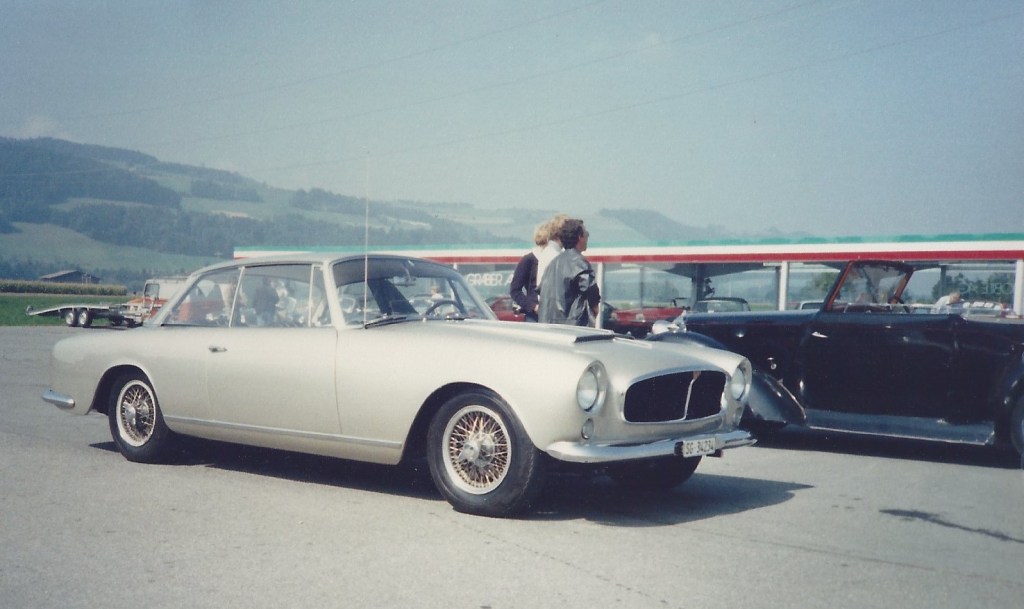

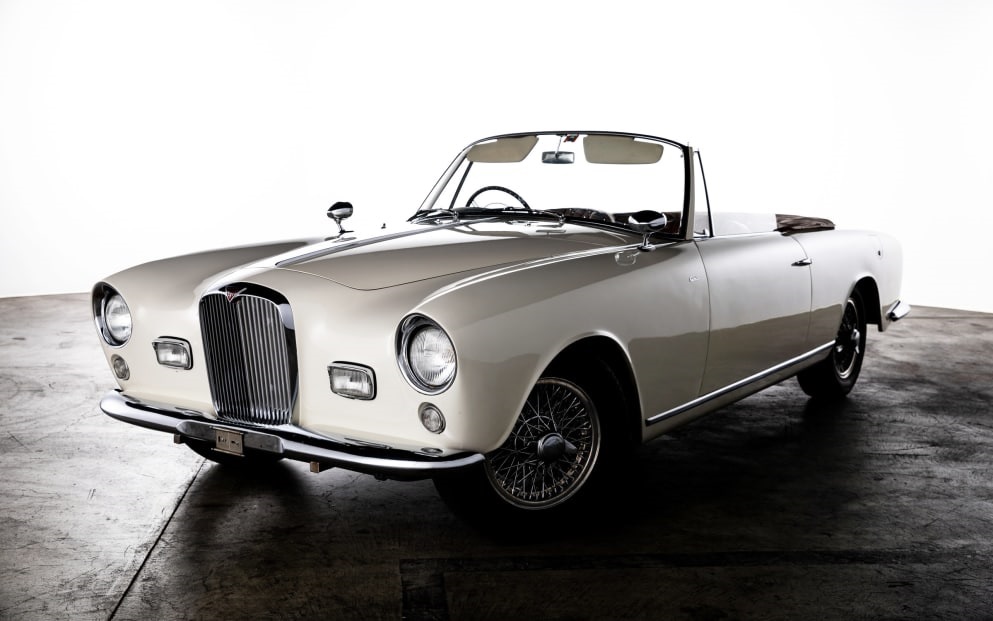
For more photos click The story of 27474
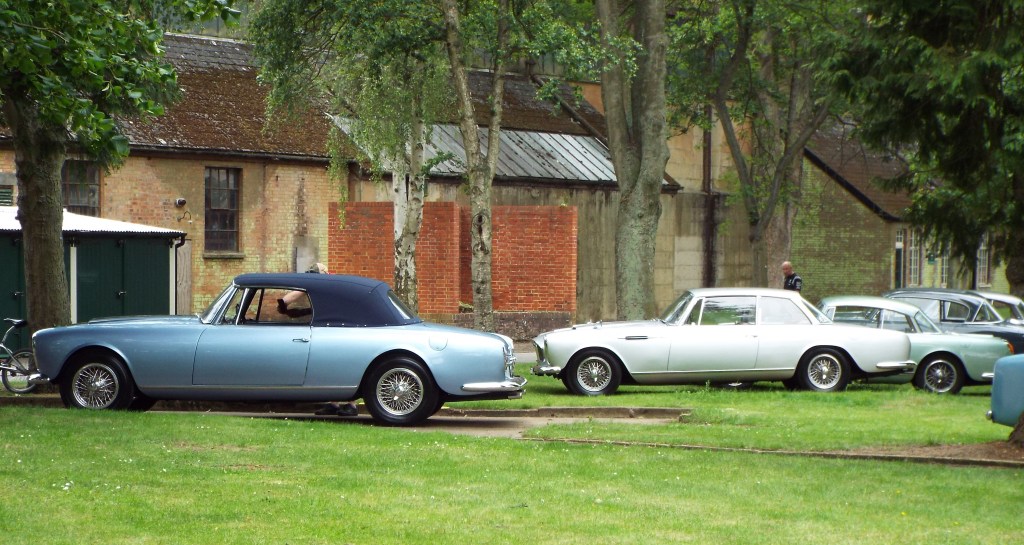
23rd June 2019: Graber coachwork was on display at several events including Coppet Concours which had two Alvis, a Bentley and a Rover coupe and a private Centenary event in Bubikon with five Alvis. In Oxfordshire at the Bicester Super Scamble was a fine selection…




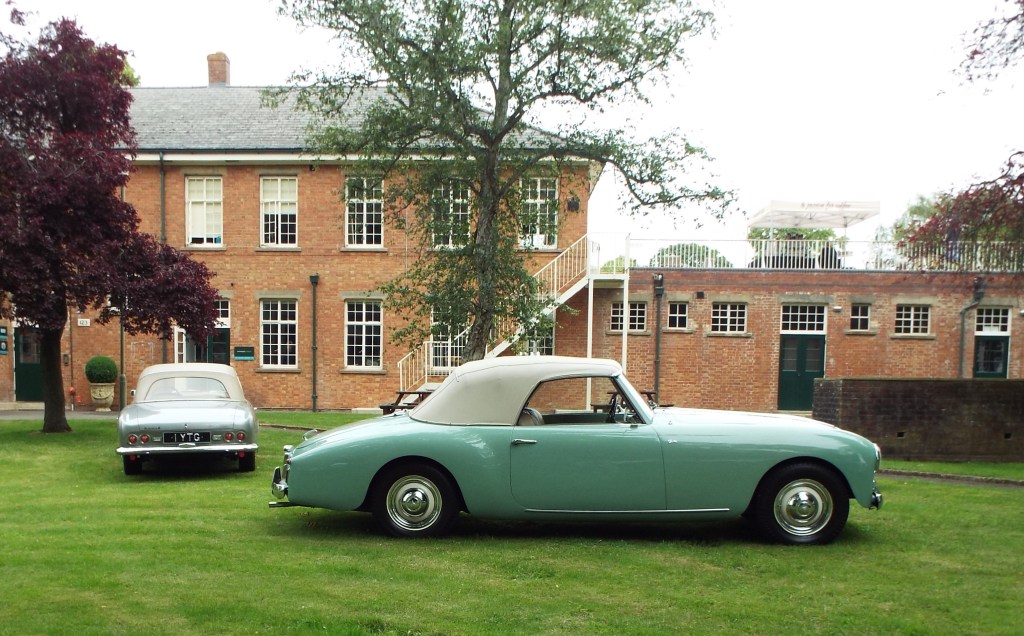
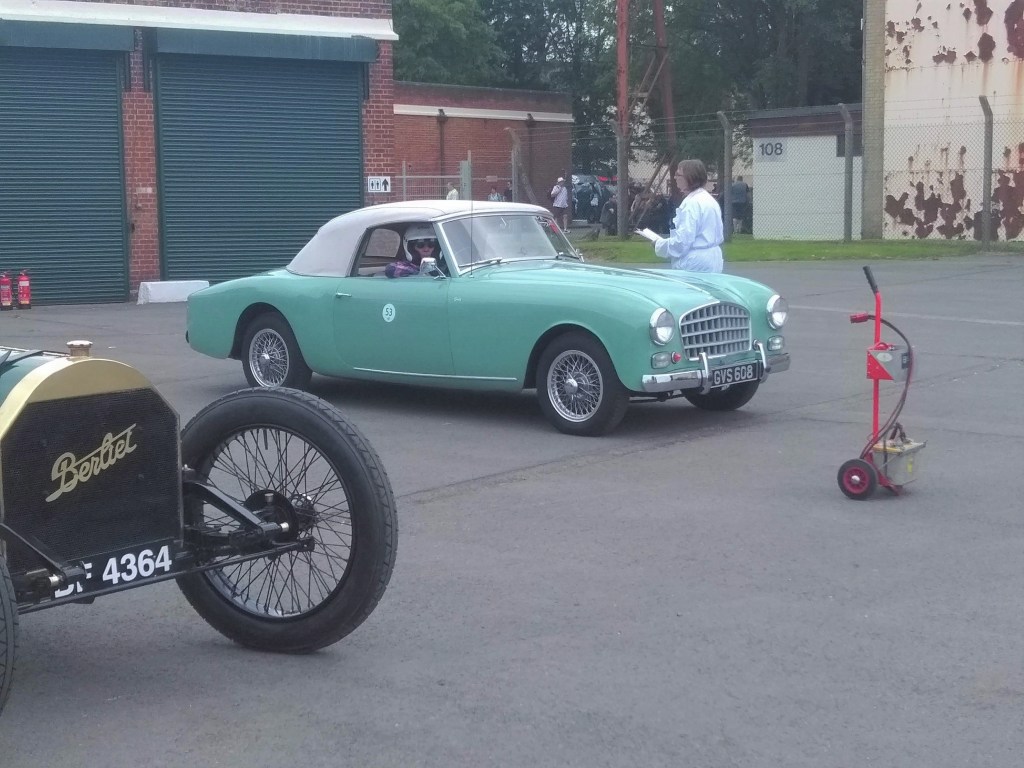

In 1946 Graber made a couple of Tropic coupes on the TA14 chassis, but none are believed to have survived. When the Three Litre arrived, the Alvis Graber partnership flourished.


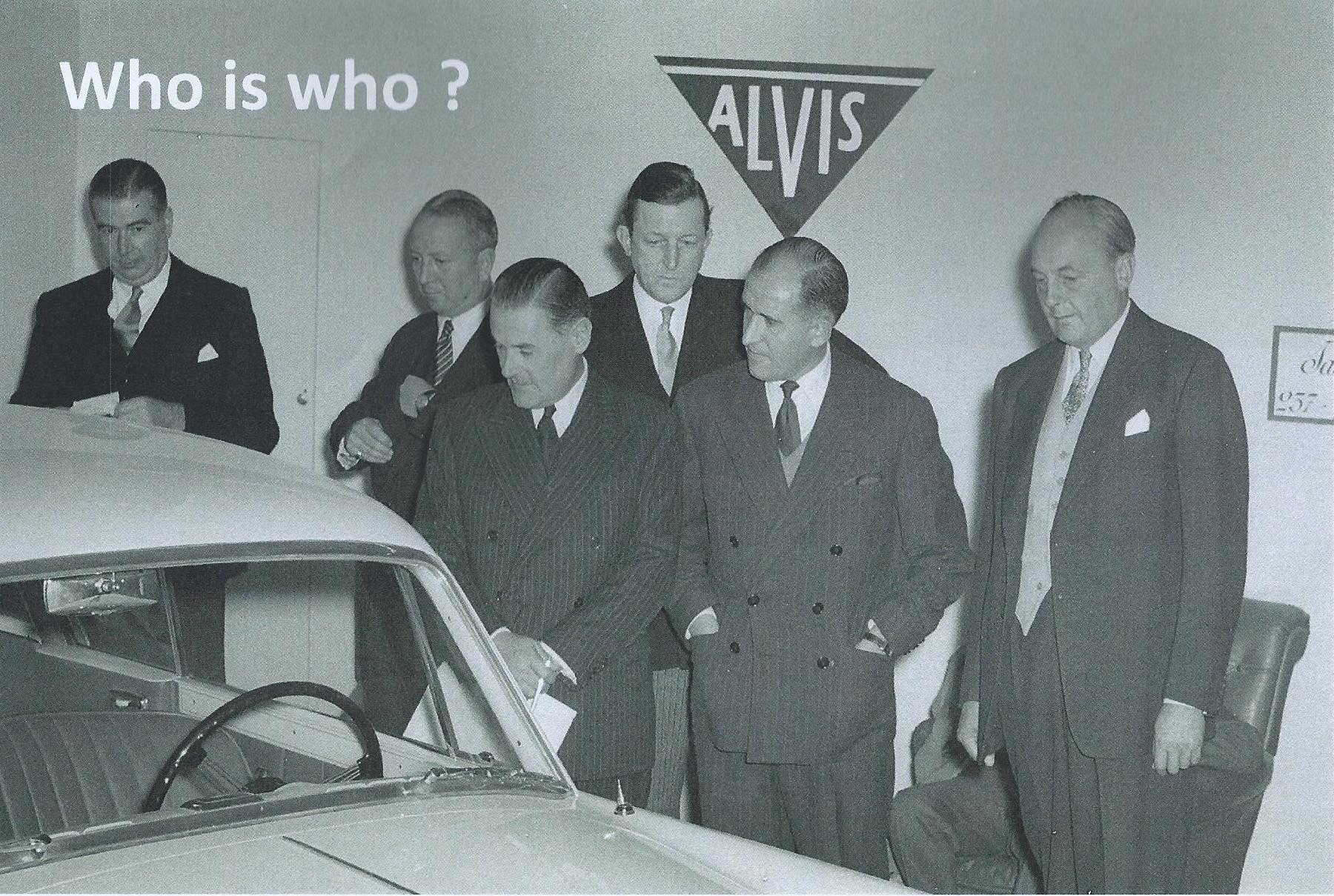
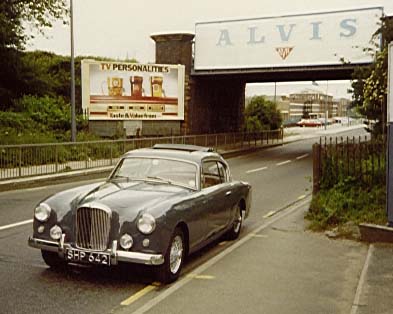
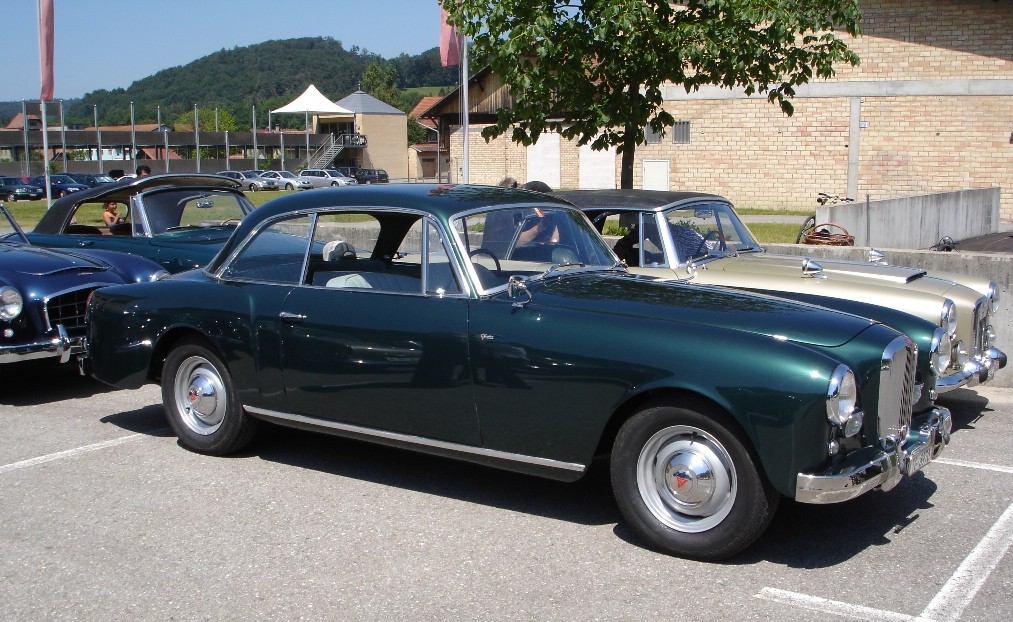
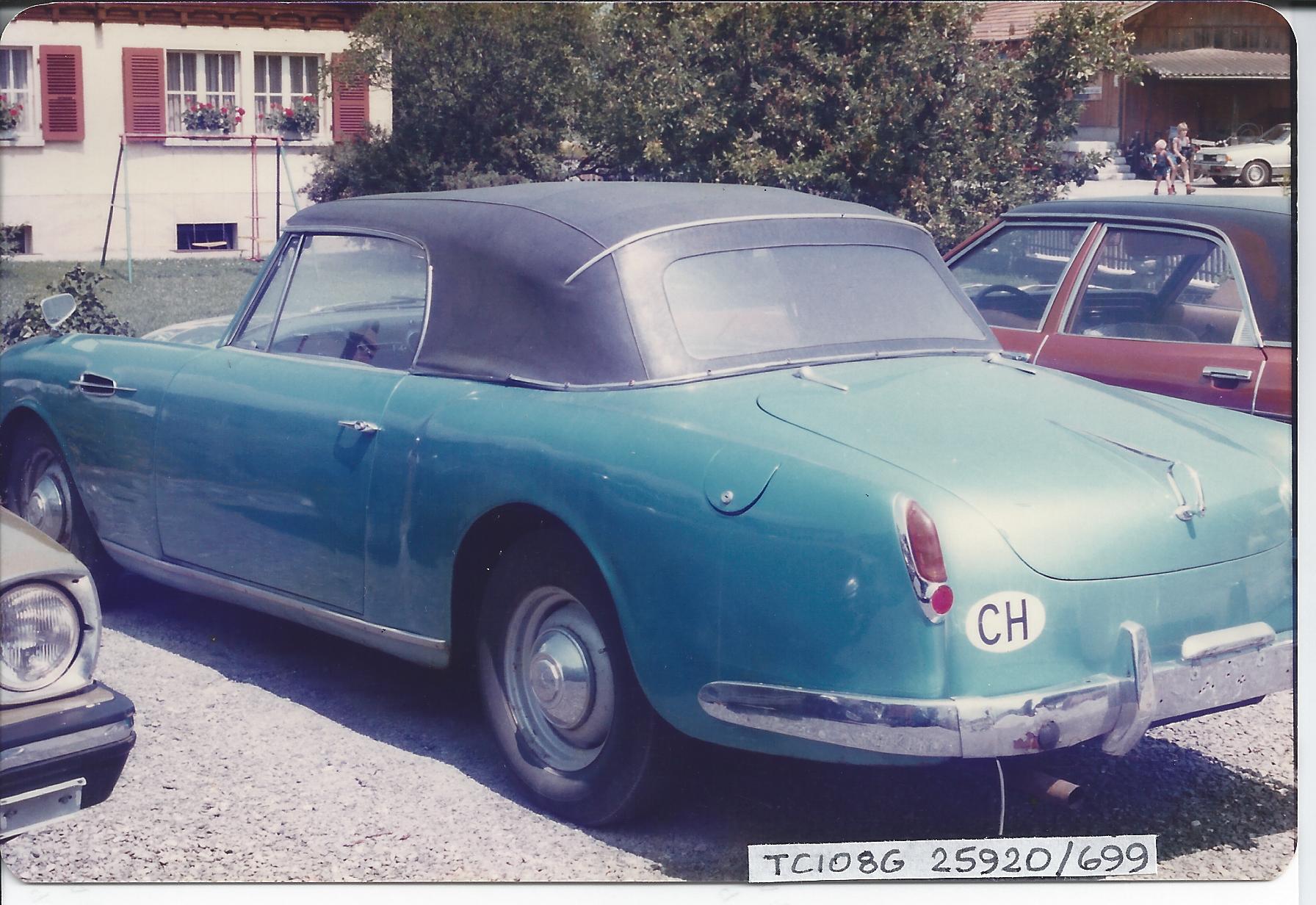







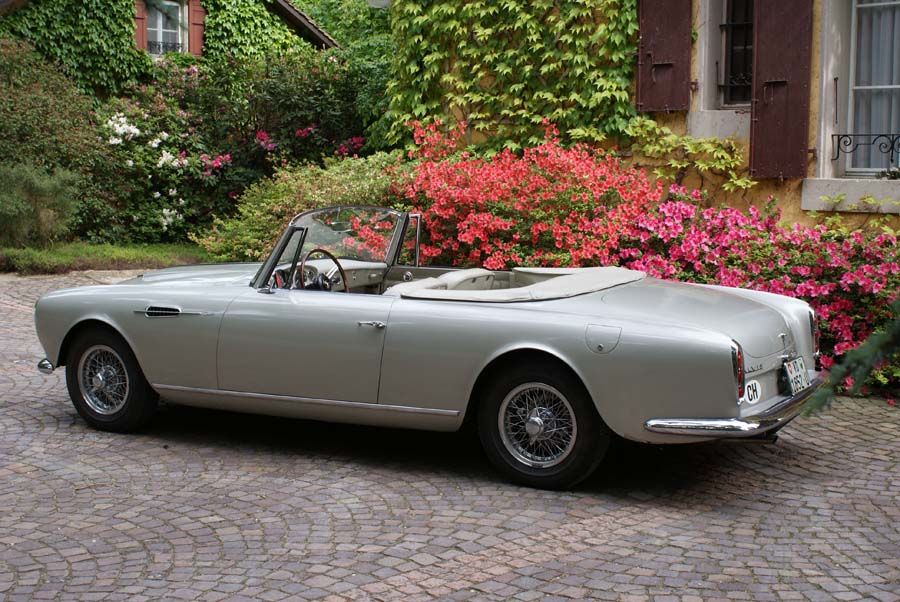

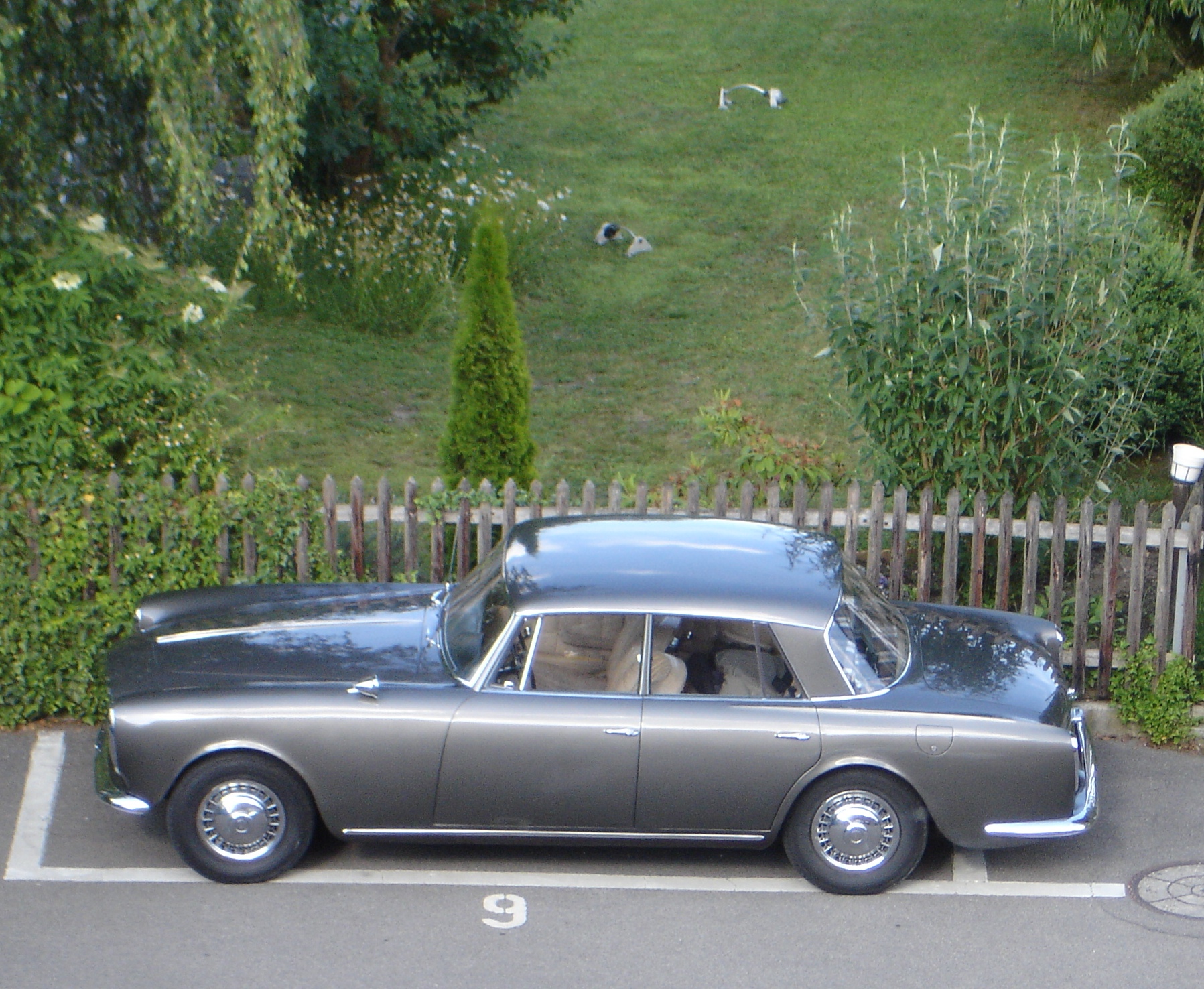
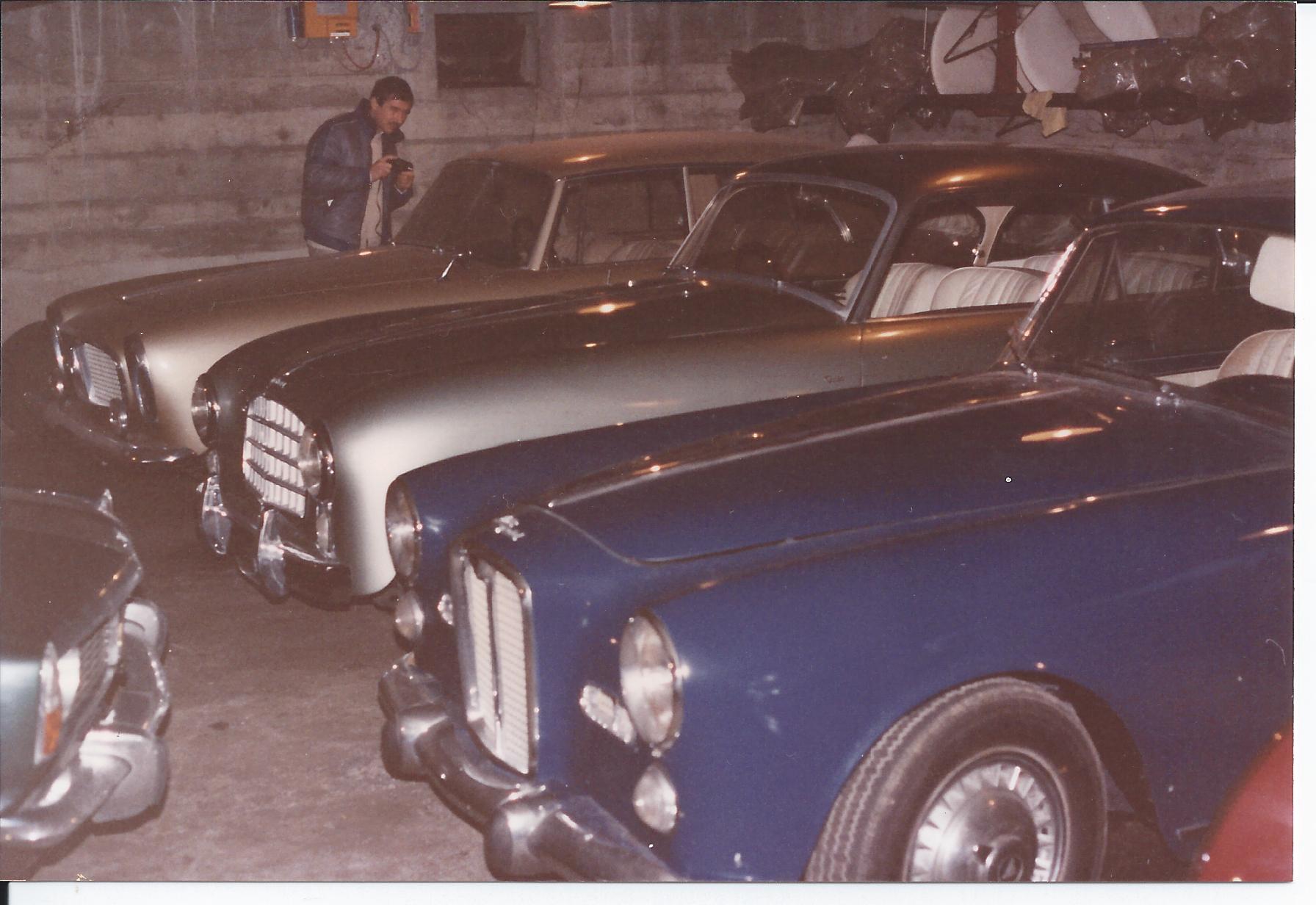
From the July 1954 Road and Track……
HERMANN GRABER: Carrozzeria in Switzerland, photographs by Georges Le Virage

The main reason why special bodies are built and bought – in spite of their inevitably higher price – is the fact that they possess an individuality to which no production-type job can ever hope to aspire. The mere fact of being different is not, however, sufficient qualification to success in the face of the competition offered by the large scale manufacturers. The special bodied car as a whole must also be better than the factory built version, if the higher price of the one-off job is to be justified. The qualification “better” implies quite a lot of things, among which superior quality of raw materials and workmanship are of paramount importance.
Several designers of special bodies have managed to combine these desirable features with durability, comfort, careful execution of details, beauty of line and elegance. Hermann Graber is among the very few who not only build good bodies but also perfect motor-cars. The reason for his success in this direction is not hard to find: he does not build bodies merely to earn his living, but because he likes and loves to drive fine cars.
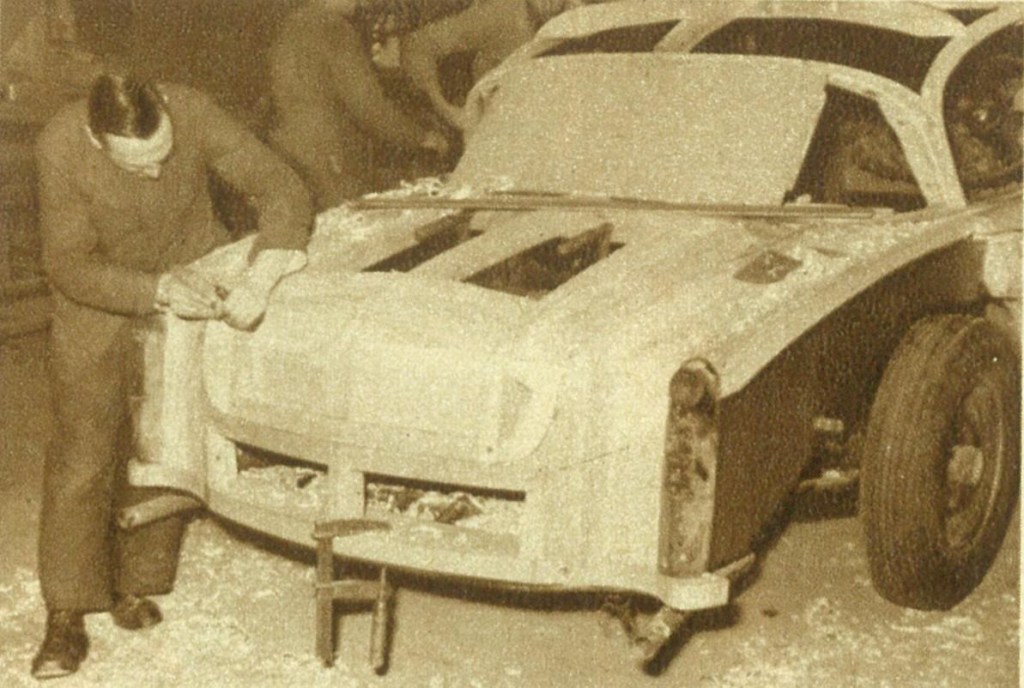
This passion for better-and-faster-than-normal motorcars is not only the base of his successes, but also the reason for the unorthodox organization of his workshop. It is Graber himself who selects the chassis he wants to clothe and imports them into Switzerland; it is Graber who designs the bodies from the outline drawing to the smallest details, who supervises the construction of the wooden jigs used for panel-beating, the erection of the bodies, the finish of the paint and the fitting of all the accessories, and it is Graber to whom every one of his 25 experienced workers turns when a particular problem proves beyond his own capabilities. As long as work is going on, Graber is present in the workshops, and seems to see everything that happens on all the bodies being worked upon at the same time, being always ready with competent advice even when questions of handicraft arise.

It is this astonishing capacity to master all the aspects of body building which accounts for the virtual impossibility of second rate workmanship in the Graber works. Every one of his employees knows that the boss is able to distinguish between good and outstanding, and therefore does his best.
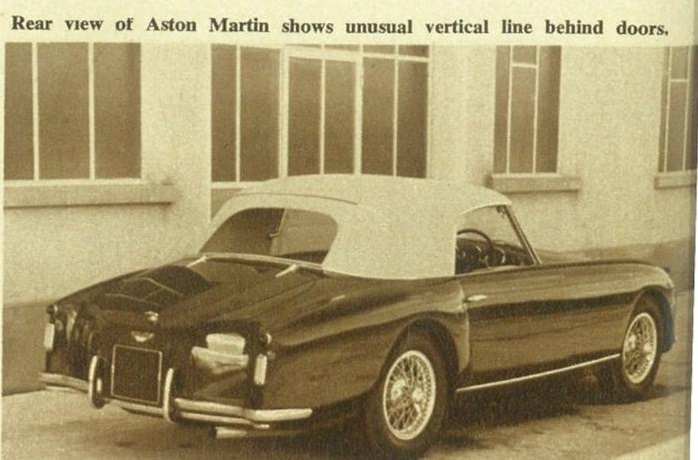
Finally, when a new car is completed, Graber really comes into his own. He takes the car over, inspects every detail of the interior fittings, the proper working of every control, checks the fit of doors, hood and top, and inspects the arrangement of such secondary items as ventilation, air hoses and control cables. In this way he ensures that the owner will not be annoyed and disgusted by irritating rattles, drafts through leaking doors and controls that do not work freely – all too common teething troubles on standard cars, but intolerable on a special-bodied specimen. And then, when the car successfully passes Graber’s last stationary examination, he drives the car for the first time. And here, too, Graber knows his job. Being a first-class driver, he knows what to expect from a car and is capable of making the car perform as he wishes, provided there are not any teething troubles. When he passes a car as O.K., it is certain that details affecting road-holding, steering, performance, transmission, braking and general behaviour have been carefully judged and compared with a set standard – which is always a very high one. And more than once he went beyond curing minor faults, having sometimes been able to improve on the builder of the chassis by employing different shocks, using another front-wheel alignment or achieving a better weight distribution. Normally his bodies are lower, better streamlined and lighter than the corresponding factory designs, which makes for higher performance and better economy. To me, however, the most remarkable thing about Graber is the fact that he never loses sight of his main task: to build automobiles that look and are right. Graber’s cars are always built to be driven, never mere showcase examples, and if the driver knows his job, he will recognize all necessary assets: superb visibility with a low hood, thin windscreen pillars and a set of clear instruments straight in front of him, seats that are comfortable and firmly hold the driver even on tight corners, and carefully arranged controls, the outcome of driving and bodybuilding experience which goes back to the middle twenties. At first glance, Graber’s designs may not reveal their excellence, being more notable for restraint and carefully developed balance than for the extravagant display associated with some of the more extreme Italian stylists. Behind the purity of line and the absence of non-functional frills, the connoisseur will quickly be able to discern a thing which tends to become quite rare, a real car. There is one more aspect of Graber’s work which is typical and should not go unnoticed: I have yet to see a Graber body on a bad chassis, and I doubt if he would accept an order to clothe a second-rate chassis. At present, he concentrates on Alvis, Aston Martin, Lagonda, Bentley and Talbot, his personal preference always going to that type of any particular make which happens to be the fastest available.
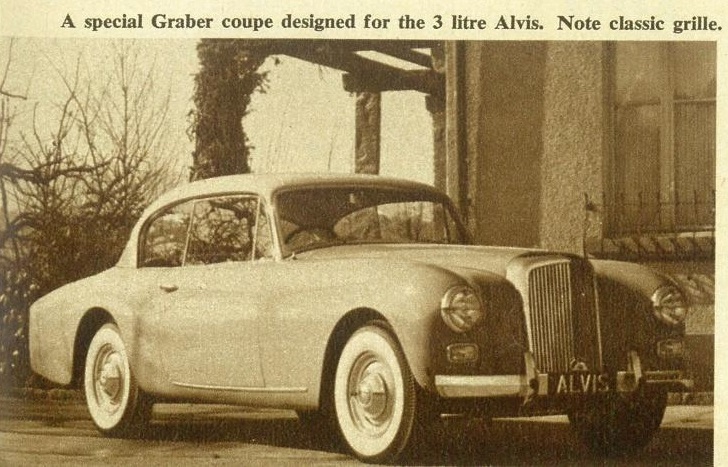
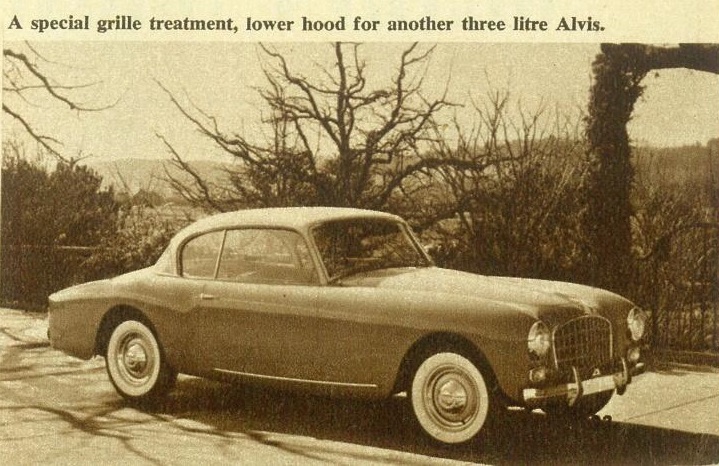
His personal car is a large 4.5 litre Talbot Lago Grand Sport, which is fitted with a 212 bhp engine equipped with three horizontal double-throat Weber carburettors; he regrets that body-building leaves him so little time to drive this car. Before the war Graber built bodies for, among others, Duesenberg, Alfa Romeo, Bugatti, Lancia, and now builds approx. thirty bodies per year.
The rest of the story will be told, I hope, by the accompanying photographs which were taken within the last 6 weeks before the opening of this year’s Geneva Motor Show, when Graber and his team did overtime to get all the cars ready in time.


 Alvis Archive
What a shame no Graber fourteens have survived, interesting to see the pedigree!
As a coachwork finisher at Park Wards/HJ Mulinner and responsible for the fitting of bonnet strips and front cowls during the early 60’s you can blame me, although every care was taken it was not always possible to be 100% accurate. A plumb line was used but bearing in mind the hand built aspect of the cars, several points were just not practical. And some did not line up as well as others. Anyone who has removed the above parts from the body work will have seen enlarged fixing holes and washers used to get a decent alignment. Its the curse of the hand built car I’am afraid.
Well that sounds reasonable, and you rarely saw two together to compare anyway!
Neil: George Howell was my Dad – it’s nice to see at least one of his cars survives. After he was appointed to the board in 1957 he had at least six other Alvises before JHP, including a Grey Lady and various TDs and TEs. As you’d expect, as a Director he was given a new car every two years or so. But as you are aware he kept JHP for four years, the reason being that he stubbornly resisted efforts by Rover management to put him into one of those fat P5s! He reluctantly capitulated when the engine broke.
The Graber cars are always interesting and exciting to look at as they are nearly all different. A man that was a stylist who new what his customers wanted and pioneering in design. The Alvis marque has a lot to be thankful to him for as he was at his most prolific on their chassis. In turn we are most grateful that we can enjoy seeing his cars today especially on this web site. Thank you to all of you working hard on delivering it to us. Keep showing us more of Heman Grabers cars.
Can anyone identify the models in the TF brochure ? Whatever happened to them in later life.As a schoolboy I thought that the combination of Alvis and Glamour was something special. I had a sheltered life.
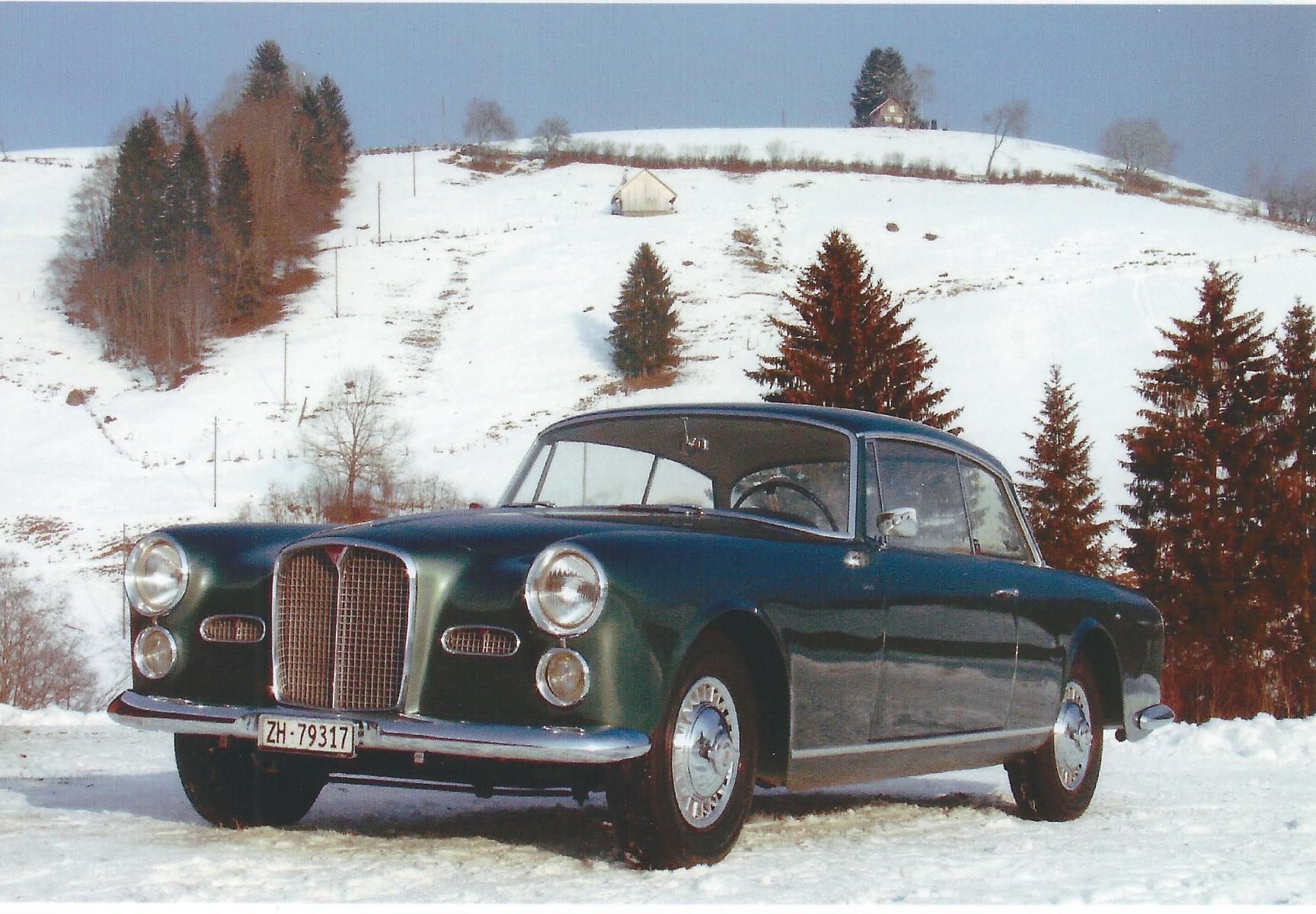
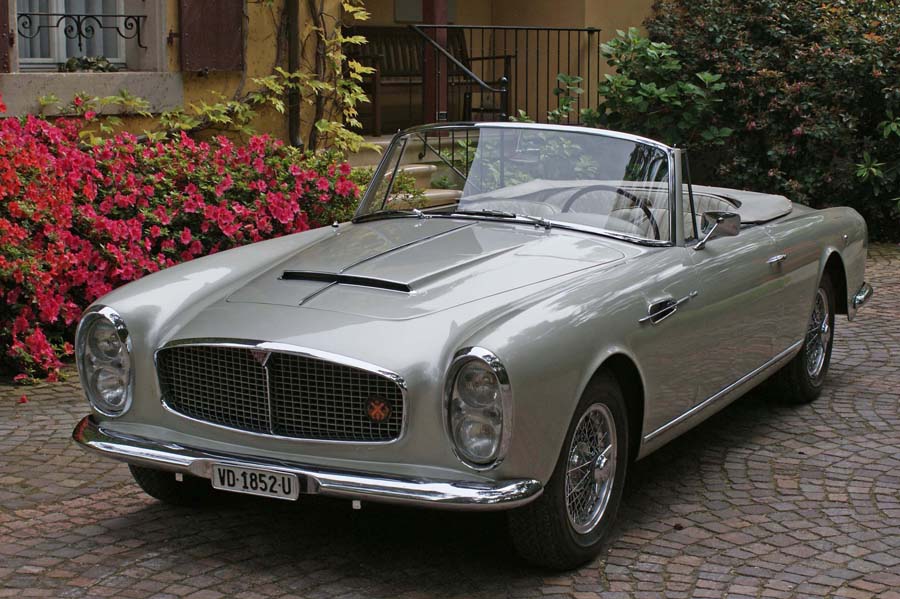
Yes, we know where these cars are and have posted a picture of the first drophead above. The first saloon is alive and well in Andorra. Neil Millington has another saloon as does Robin Willmott. There were quite a few. A new Register will be published this year
Nice to hear from Rod Howell about his Father running JHP 903E whilst at Alvis. The car was originally silver but changed to peony red in 1987. It was sold to a Mr E Phillips of Wolverhapton in early 1972 and following three further owners I purchased it in Jan 1998. Apart from the change of colour it has had no major body or mechanical work and still retains its original interior.
My father bought JHP in 1974 from I’m fairly sure from the late Mr Phillips in Wolverhampton I as a 7 year old remember going to collect it. We had until about 1983 after my fathers death in 1983.
Tim Chadney
Hi Tim
Yes you are quite right, your father bought it from Barclaytrust who were handling the affairs of the late Ernest Philips and were eager to dispose of the car as was the beneficiary! Your father insisted on an AA inspection that concluded that the car was “generally an exceptionally good example of a quality car of this age and mileage. It appears to have been maintained regardless of cost and is very difficult to criticize.”
I have half a dozen invoices relating to repairs carried out to the car whilst in your fathers possession, should you wish I could let you have copies of them and the report.
It had two further owners before me, Mr Bayham (2 years) and then the gentleman I purchased it from (10 years) in October 1997
Neil Millington
Lovely documentation. I own myself an Alvis Graber coupé from 1960. It is one of the most pleasant and reliable historic cars I owe. Some years ago we drove from Switzerland all the way to Normandie, in oder to participate in the Fouger Rally and back. Without any problems we covered over 2000km.
best regards, Dr. Ph. Speiser
Re 25946 – 1st production TD21. This was a Works car listed as Sales Dept. It was sold off in June 1960 via W.A.Skelly, an Alvis dealer. It had been re-regiistered XDA500 and when I viewed it in 1970 was a non-runner, derelict and in a very corroded condition. It was broken up for spares around this time by Vintage Racing Cars in Northampton.
Thank you for showing the 4 door saloon. Does anyone have figures on how many other 4 doors were built on the 3 litre chassis please?
Just four 4-door Graber 3-litres were made, all slightly different in detail.
Thanks – a very elegant car indeed
TF21 series II convertible now on UK reg plate 1YTG. Beautiful car, spotted on Sees, France.
Yes, as is another TD Graber on the way to the Graber Treffen in Les Rasses. Both cars did 600km yesterday.
I can confirm that the wider radiator grille on 9 VMG was indeed an experiment to improve cooling. However it didn’t work and the car was plagued by overheating problems when in stationary traffic… to help cooling in the summer we had to turn the heater on full-blast, when stuck in traffic jams, that helped the engine but was not much fun for the driver and passengers. Probably fitting an electric fan, rather than the standard belt-driven arrangement, would have sorted it out but my father was keen to keep the car all-original.
Would you be interested in my sending you a photo of my mother’s Graber Alvis TD21; the photo was taken when it was still in the showroom. She had it around 1966 but, sadly, I know nothing of the car’s details or to whom it was sold. I was only about 10 years old when she owned it.
Hello Rudi, yes please send your photo so we can identify which car it is. Please email to alvisarchive@btinternet.com. Thank you.